Category
Sleep
The sleep library focuses on the physical and practical side of rest: your room, your routine, and the common reasons a night still feels unsettled.
Best Place To Start
Core sleep reads
Bedroom setup, sleep basics, evening routines, and practical ways to rest more comfortably.
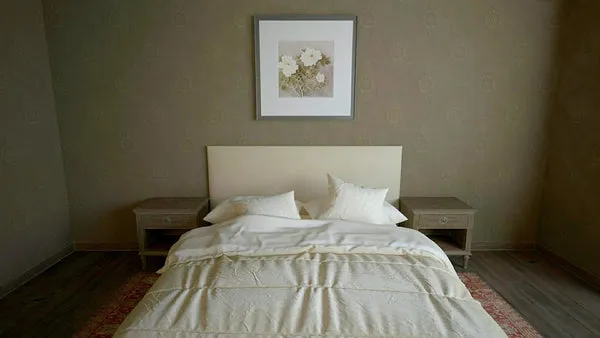
How to Create a Calmer Bedroom That Supports Better Sleep
Small changes to light, noise, temperature, and clutter can make your bedroom feel calmer and support more comfortable sleep.

The Science Behind a Good Night's Sleep, Explained
Sleep is not passive downtime. It is an active process that supports memory, restoration, and how well you function the next day.

Why You Still Feel Tired After a Good Night's Sleep
If you are sleeping for long enough but still waking up tired, your routine, environment, or overall sleep quality may need attention.
Popular In This Category
Browse by topic
28 articles
28 articles
View all articles
How Shifting Daylight With the Seasons Can Affect Sleep
As the days shorten in autumn and winter, the change in light can affect sleep timing, mood, and energy. Here is what is happening and what helps.

How Sleep Debt Works and Whether You Can Recover It
Sleep debt builds quietly and affects more than just tiredness. Here is how it accumulates, what it costs, and what recovery actually looks like.
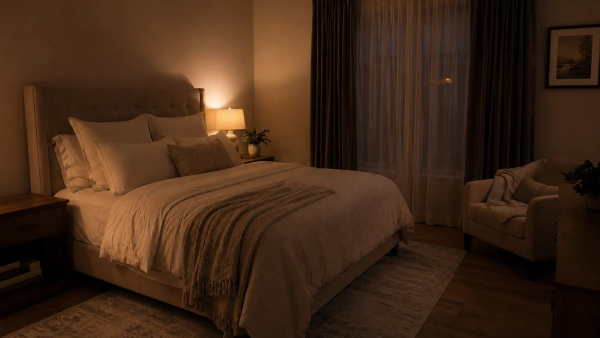
How to Sleep Better: A Complete Guide to Restful Nights
A practical, gentle guide to sleeping better — covering sleep science, your bedroom, your routine, and the habits that quietly shape your nights.
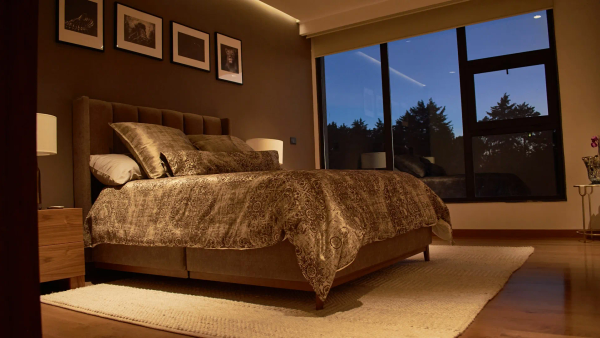
How Room Temperature Shapes the Way You Fall Asleep
Your bedroom temperature has a direct effect on how easily you fall asleep. Here is what the science says and what to try.
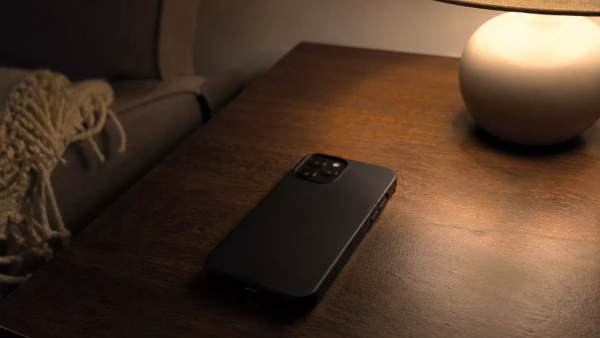
How to Create Healthier Boundaries With Your Smart Gadgets
If your phone or other smart devices are following you into every quiet moment, a few boundaries can make evenings feel calmer again.
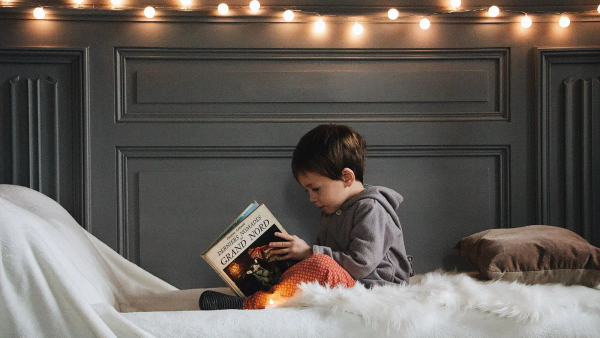
Why Reading Bedtime Stories to Your Children Still Matters
Reading bedtime stories can support connection, language, and a gentler evening rhythm for both children and parents.
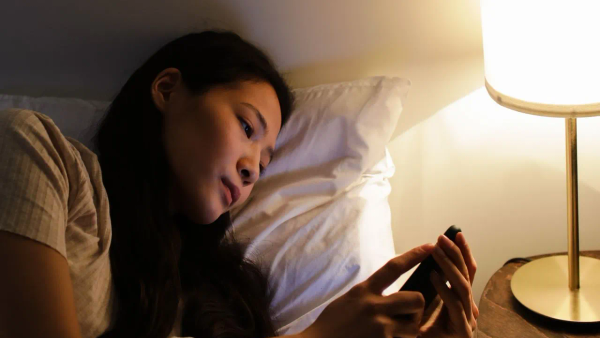
Bedtime Procrastination: Why We Do It and What It Costs
Bedtime procrastination is a common habit with real reasons behind it. Understanding both the appeal and the cost can help you make a more deliberate choice.
5 Reasons to Avoid Using Sleeping Pills Unless Necessary
Sleep medication has a place, but regular reliance can hide the real problem. It helps to start with gentler supports first.
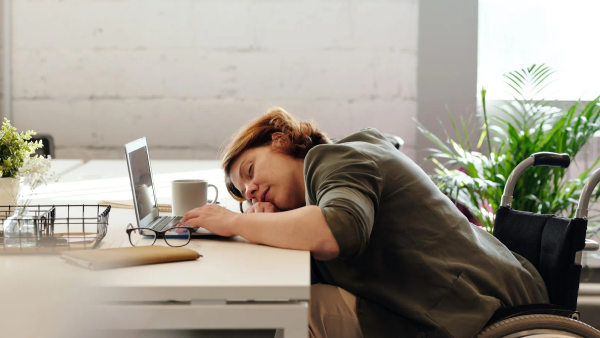
When a Short Nap Can Help and How Long It Should Be
A short, well-timed nap can lift fogginess and give you a little reset without necessarily ruining the night ahead.
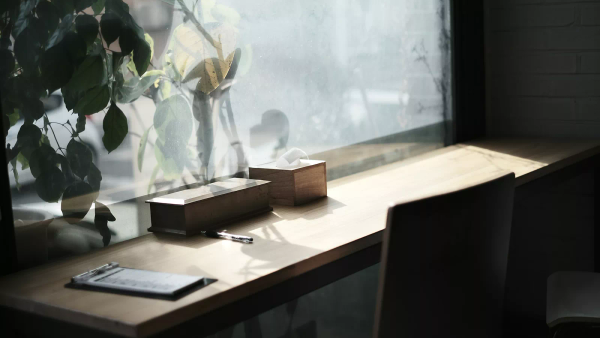
7 Ways a Break From Social Media Can Calm Your Evenings
A short break from social media may reduce overstimulation, create calmer evenings, and make it easier to be present offline.

Is There Such a Thing as Too Much Sleep? What to Know
Sleeping longer is not always more restorative. Sometimes oversleeping is a clue that your rhythm or sleep quality needs attention.

When You Are Too Tired to Make an Important Decision
Fatigue, stress, and poor sleep can make important choices feel more urgent and less clear. Here is how to tell when rest should come before a decision.
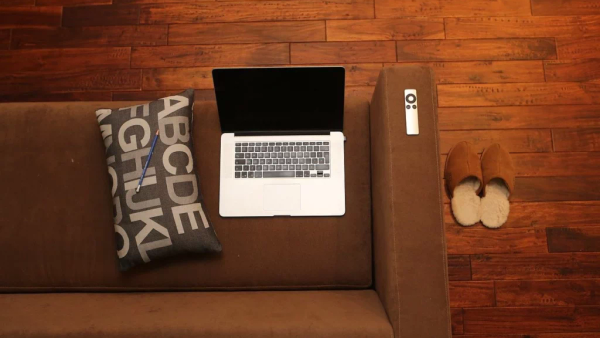
Modern Conveniences Can Make Evenings Harder to Leave Behind
Useful devices and on-demand comforts make daily life easier, but they can also keep evenings more stimulating than your body needs before bed.

Why a Cozy, Enclosed Bed Helps Some People Sleep Better
For some people, comfort comes from feeling enclosed, tucked in, and protected. This piece explores why a cozy, cocoon-like bed can feel so restful.

How a Steadier Morning Routine Can Support Better Sleep
A more consistent wake-up time can support your sleep rhythm, reduce rushed mornings, and make evenings feel more predictable.

Why Sleep Matters More Than Most People Think It Does
When sleep keeps losing to work, screens, and stress, the cost shows up in mood, focus, and how the whole day feels.

The Small Bedroom Details That Quietly Shape Your Evenings
Light, color, sound, clutter, and other ordinary details can change how your room feels long before you get into bed.

How Background Sound May Help Create a More Restful Night
For some people, the right kind of background sound may make a bedroom feel calmer and less interruptive at night.

Tea vs. Coffee for Better Sleep: What to Keep in Mind
Tea and coffee can both fit into a calm routine, but timing, caffeine, and how each drink affects your body matter for sleep.

Why You Might Not Be Falling Asleep and What to Try
If falling asleep feels harder than it should, your timing, light, temperature, stress, and evening habits may be getting in the way.
The Science Behind a Good Night's Sleep, Explained
Sleep is not passive downtime. It is an active process that supports memory, restoration, and how well you function the next day.
How to Create a Calmer Bedroom That Supports Better Sleep
Small changes to light, noise, temperature, and clutter can make your bedroom feel calmer and support more comfortable sleep.

Bedtime Reading for Adults: Why Books Help You Sleep
Reading fiction before bed can be a gentle way to lower stimulation, leave screens behind, and ease into sleep.
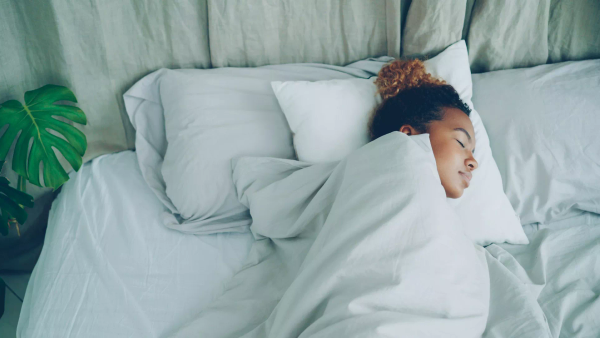
Does Dreaming Affect Your Sleep? What the Research Says
Dreams are a normal part of sleep, but vivid or distressing ones can shape how rested you feel. It helps to hold them lightly.

Is Your Bed Affecting Your Sleep Quality and Health?
If you wake up sore, hot, sneezy, or unrested, your mattress, pillow, and bedding may be affecting both sleep quality and comfort.
Why You Still Feel Tired After a Good Night's Sleep
If you are sleeping for long enough but still waking up tired, your routine, environment, or overall sleep quality may need attention.

7 Gentle Rules for a Better Night's Sleep and Why They Work
Better sleep often begins with a few steady habits around daylight, caffeine, comfort, relaxation, and evening timing.

How Poor Sleep Can Affect the Way You Feel and Function
When sleep is cut short often enough, the effects show up in mood, concentration, decision-making, and how manageable daily life feels.