Creating healthier boundaries with your devices does not require giving them up. It means deciding where and when they belong, so that at least part of the evening stays genuinely quiet.
A digital boundary is a deliberate limit on when or where a device is used — not a total ban, but a protected window of time or space. Melatonin is a hormone your body produces in response to darkness, and bright screens in the evening can reduce its production, making it harder to feel sleepy at bedtime.
For many people, a few straightforward changes — moving the phone out of the bedroom, turning off non-essential notifications, and replacing one scrolling habit with something calmer — are enough to make evenings feel considerably more like their own.
Notification fatigue is the state where the constant arrival of alerts, pings, and badges makes it harder to fully relax, even when the content is not particularly important. Reducing the number of notifications your device sends in the evening is one of the simplest ways to lower the mental load before bed.
Signs your devices are taking up too much space
You do not have to feel extreme panic without your phone for a device habit to be affecting you.
Sometimes the signs are quieter:
- checking your phone without thinking
- reaching for a device the moment things feel slow
- losing time to scrolling
- feeling distracted during conversations
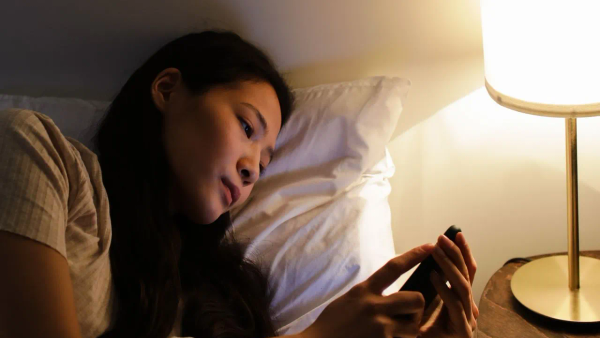
- bringing devices into bed every night
- struggling to sit in silence without a screen
These habits can make evenings feel more crowded than restful.
Why this matters for sleep
Smart gadgets affect more than time management.
They can also make it harder to wind down because they bring:
- bright light
- endless novelty
- emotional stimulation
- notifications
- the feeling that you should still be available
That combination is not ideal when your mind is meant to be softening into sleep.
Start by reducing frictionless checking
The easiest habits to repeat are usually the ones that require almost no effort.
That is why it helps to make device use a little less automatic.
Try:
- removing the most distracting apps from your home screen
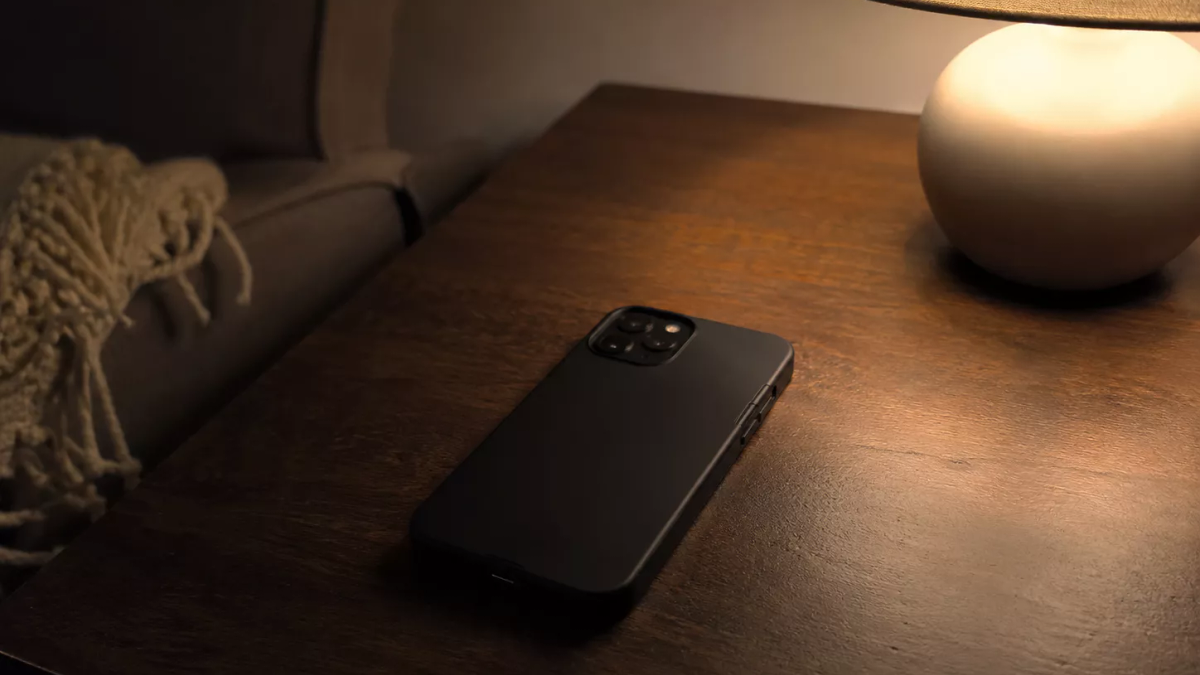
- charging your phone away from the bed
- keeping devices out of the bathroom and at the table
- putting your phone in another room for short stretches
You are not trying to punish yourself. You are making it easier to pause before the next reflex check.
Turn off what does not deserve your attention
Many notifications are simply invitations to get distracted.
If your devices constantly buzz, light up, or interrupt, your attention never fully gets to settle. That is especially unhelpful in the evening.
Consider disabling:
- non-essential app notifications
- unnecessary badges
- promotional alerts
- sound notifications for apps that do not matter urgently
Less noise from your device often means less noise in your head.
Decide where devices do not belong
Boundaries become clearer when they are tied to places and moments.
You might decide that devices are not part of:
- meals
- face-to-face conversations
- the last hour before bed
- the bed itself
- short walks outside
Not every rule has to be all-day, every day. Even one protected window in the evening can make a real difference.
If this feels familiar, a short social media detox can be an easier first experiment than trying to change everything at once.
Replace the habit, not just the device
If you remove the phone but leave a vacuum, the old habit usually returns.
It helps to decide what the device-free moment will become instead:
- reading a few pages
- making tea
- stretching
- tidying the bedside area
- stepping outside for air
- doing nothing for a minute on purpose
The replacement does not need to be impressive. It just needs to be calm enough to keep.
Keep the bedroom from becoming another screen zone
One of the most helpful device boundaries is the bedroom itself.
If the room is where you stream, scroll, message, shop, and work, it becomes harder for your brain to associate that space with rest.
Even a small change can help:
- leave the phone across the room
- switch to a physical alarm clock
- read instead of scroll
- turn screens off earlier
The bedroom does not have to be perfect. It just helps when it feels less connected to the online world.
If you want a gentle replacement for scrolling, reading before bed is one of the simplest options.
Aim for ownership, not perfection
You do not need to give up your devices entirely. You just want them to feel more like tools and less like background gravity.
Start small:
- choose one screen-free zone or time window
- reduce unnecessary notifications
- move the phone farther away at night
- replace one scrolling habit with something quieter
Healthier device use does not happen in one grand decision. It happens in repeated, ordinary boundaries that make your evenings feel more like your own again. If you want to understand the broader pull of modern conveniences — not just phones — how modern life makes evenings harder to leave behind puts the device habit in a wider context. For everything else that contributes to a good night, our complete guide to better sleep covers it all in one place.
Sources
Frequently Asked Questions
How can I use my phone less before bed?
Start with one physical change: move your phone to another room at night, or at minimum charge it across the room from the bed. A physical alarm clock makes the phone much easier to leave behind.
Does screen time before bed really affect sleep?
Yes — bright screens, particularly in the hour before bed, can suppress melatonin production and keep your mind engaged when it is meant to be settling. Most people notice that less evening screen time leads to easier sleep onset.
What is a good phone boundary for the evening?
A simple starting point is choosing a stopping time — such as 30 to 60 minutes before bed — and moving the phone to another room at that point. Replacing that time with a non-screen activity tends to work better than relying on willpower alone.
How do I stop checking my phone automatically?
Reducing automatic checking usually involves removing friction. Moving the most distracting apps off your home screen, turning off non-essential notifications, and charging your phone away from your evening space all make the habit easier to break.
Is it bad to watch TV in the bedroom?
A bedroom TV can make the space feel more mentally active, which can make it harder for your brain to associate the room with rest. If you do watch TV in bed, using a sleep timer so it turns off automatically reduces the disruption.
Enjoyed this? Get more like it.
Calm sleep guidance, straight to your inbox.
Sleep tips, straight to your inbox.
Calm, practical sleep guidance — we'll be in touch when we have something worth sharing.

Sheepherd is the editorial voice of The Sleepy Company. Sleep research and calmer habit guidance — written without hype, medical claims, or pressure.