A social media detox is a deliberate period of reduced or eliminated social media use, taken with the goal of lowering overstimulation and reclaiming attention. It does not have to be permanent or dramatic — even a single evening away from feeds, notifications, and scrolling can give your nervous system a noticeable break.
Social media platforms are designed to hold attention. They surface content that provokes reaction, reward continued scrolling, and create a low-grade sense of urgency that follows many people all the way into bed. Dopamine is a neurotransmitter involved in motivation and reward that social platforms intentionally trigger through likes, notifications, and unpredictable content — keeping you reaching back for more. Blue-spectrum light is the kind of light emitted by phone and tablet screens that can suppress melatonin and make it harder for your body to shift toward sleep.
Sometimes it is not one dramatic app habit that leaves you feeling overstimulated. It is the constant drip of updates, reactions, comparisons, and late-night scrolling. A break does not have to mean disappearing forever. It can simply mean stepping back long enough to notice how the online world has been shaping your attention, your mood, and your bedtime.
1. You may get some relief from constant comparison
Social platforms make it easy to measure your life against edited highlights from everyone else.
When that happens often enough, scrolling can leave you feeling:
- inadequate
- behind
- agitated
- mentally crowded
Stepping away can create breathing room. It gives your nervous system fewer things to react to.
2. You may become more present offline
If every nice meal, walk, outing, or quiet moment comes with the urge to post it, you can start experiencing life through the lens of documentation instead of actually being in it.
Less scrolling often makes it easier to notice the ordinary parts of the day again:
- a slower breakfast
- a calmer commute
- a conversation without checking your phone
- an evening that does not disappear into refresh cycles
3. Your mind may get a little quieter
Social media is not only visual noise. It is emotional noise too.
Opinions, arguments, trends, bad news, performative updates, and endless novelty all ask for your attention at once. Even when you are not deeply invested, your brain still has to process it.
That can follow you into the evening.
Reducing that input can make your head feel less crowded at bedtime.
4. You may lower your exposure to negativity
Not every feed is negative, but many are unpredictable. You can open an app for one small check and end up absorbing anger, anxiety, or conflict you did not ask for.
Taking a break helps you choose your inputs more intentionally.
That matters if you are trying to make evenings feel softer instead of more agitated.
5. You may reclaim pockets of time
Scrolling can fill every small gap in the day:
- standing in line
- waiting for the kettle
- sitting in bed
- lying down “just for a minute”
When those pockets open back up, you do not have to become perfectly productive. You simply regain choice.
You might use that time to:
- read a few pages
- stretch
- tidy your bedside area
- go outside
- wind down earlier
6. Bedtime gets less stimulating
This is one of the biggest reasons a social media break can help sleep.
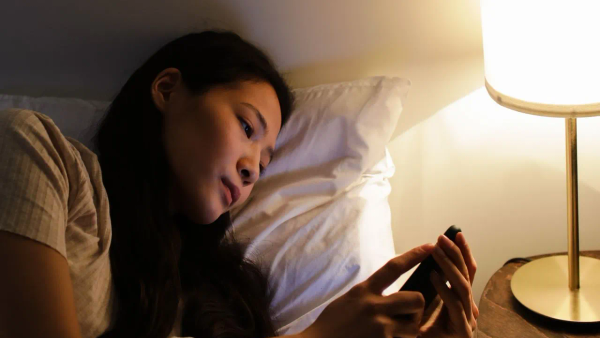
Late-night scrolling keeps the brain in a state of low-grade alertness. There is always one more update, one more video, one more thing to react to.
When you reduce that bedtime habit, evenings can start to feel:
- quieter
- less bright
- less emotionally charged
- easier to leave behind
That does not solve every sleep problem, but it often gives your brain a gentler runway into rest. It is also worth noting that bedtime procrastination — the habit of delaying sleep even when tired — is often closely tied to late scrolling. And the pull of apps is part of a wider pattern: how modern conveniences make evenings harder to leave behind looks at that bigger picture.
7. You remember that disconnecting is allowed
Social media can create the feeling that you must always be reachable, current, informed, and visible.
You do not.
A short detox can remind you that stepping back is not rude or irresponsible. It is sometimes exactly what your attention needs.
A simple detox plan
If you want to try a reset, keep it small and realistic:
- choose a window: one evening, one weekend, or one full week
- tell close friends if they usually contact you there
- remove the most tempting apps from your home screen
- decide what you will do instead during your usual scrolling moments
- notice how your evenings feel without filling every pause
You do not need a perfect digital life. You just need enough space that your mind can settle again.
If you want a calmer replacement for late-night scrolling, reading a physical book before bed or creating firmer device boundaries are both gentle places to begin.
If social media has been following you all the way into bed, even a short break may help your evenings feel calmer and your attention feel more like your own. For a broader look at building better sleep habits, our complete guide to better sleep is a good place to start.
Sources
Frequently Asked Questions
How long should a social media break be to actually make a difference?
Even a few days is enough to notice a shift for most people. Many people report that their evenings feel quieter within the first twenty-four hours of stepping back. A full week tends to produce a more durable change in how automatic the reaching-for-the-phone habit feels.
Is a social media detox the same as deleting your accounts?
No. A social media detox is a temporary break — removing apps from your phone’s home screen, logging out, or simply deciding not to open them during evenings. Deleting accounts is a permanent step that most people on a short detox do not take. The goal is space and awareness, not a permanent exit.
Can taking a break from social media improve sleep?
Late-night social media use keeps the brain in a state of low-grade alertness because platforms continuously deliver novelty, emotional content, and visual stimulation. Reducing or eliminating that in the hour before bed often makes it easier for the mind to settle. Many people find they fall asleep more easily after even a few nights away from late-night scrolling.
What should you do instead of scrolling in the evening?
Reading a physical book, taking a short walk, stretching, making tea, or tidying one area of the bedroom are all low-stimulation options that give your hands and attention something to do without the same alerting effect. The goal is not to become perfectly productive — it is simply to replace a high-stimulation habit with something softer.
Does a social media break have to mean giving up your accounts permanently?
No — a break simply means creating distance for a chosen period. Most people who benefit from a detox do not delete their accounts. They step back for a few days or evenings, notice how their attention and mood feel, and then return with more awareness of when and how they use each platform.
Enjoyed this? Get more like it.
Calm sleep guidance, straight to your inbox.
Sleep tips, straight to your inbox.
Calm, practical sleep guidance — we'll be in touch when we have something worth sharing.

Sheepherd is the editorial voice of The Sleepy Company. Sleep research and calmer habit guidance — written without hype, medical claims, or pressure.