Modern convenience is the constant availability of tools, entertainment, food, and information at low effort and low friction. It has made daily life faster and easier in ways that were unimaginable a generation ago.
The issue is not the convenience itself. The problem appears at night, when the same tools that help during the day keep pulling your attention forward into the next task, the next update, the next thing to check. Digital overstimulation is what happens when your brain receives too many inputs — light, novelty, emotional content, decisions — at a time when it needs to be winding down.
We can order food, send messages, stream entertainment, read the news, switch on bright light, and move from one task to another without much friction. None of that is inherently bad. The issue is that convenience can keep following us long after the day should be winding down. When everything stays available all the time, evenings can stop feeling like a real transition.
A natural stopping point is any moment in the day when your environment signals that one phase is ending and another is beginning. Before modern convenience, those stopping points were built into daily life by external limits — shop hours, scheduled broadcasts, the absence of portable light. Now most of those built-in limits are gone, which means the evenings that used to end naturally often have to be ended by choice.
Convenience is useful, but it can flatten natural stopping points
Many older routines contained pauses by default. Shops closed. News arrived at certain times. Entertainment options were limited. Messages did not follow us into every room.
Now the day can continue indefinitely unless we choose to end it.
That sounds efficient, but it also means we have to create our own boundaries around:
- screen time
- work spillover
- late-night shopping or browsing
- constant updates
- the feeling that we should still be reachable
The problem is not technology itself
Phones, laptops, apps, delivery services, and streaming platforms are tools.
The tension appears when tools start filling every quiet gap. If you move from work to messages to videos to scrolling without a real pause in between, your body may never get a clean signal that the active part of the day is over.
This often shows up as:
- feeling mentally crowded at bedtime
- checking your phone without thinking
- watching one more thing even when you are tired
- struggling to sit in silence
- bringing low-level urgency into the bedroom
Convenience often adds stimulation when what you need is softness
Even helpful tools can be surprisingly activating late in the day.
They bring light, novelty, choices, updates, and emotional pull. That combination is excellent for keeping attention engaged and not especially helpful for winding down.
If your evenings have started to feel noisy, convenience may be part of the reason.
This is often less about one dramatic habit and more about repeated small ones:
- checking messages while brushing your teeth
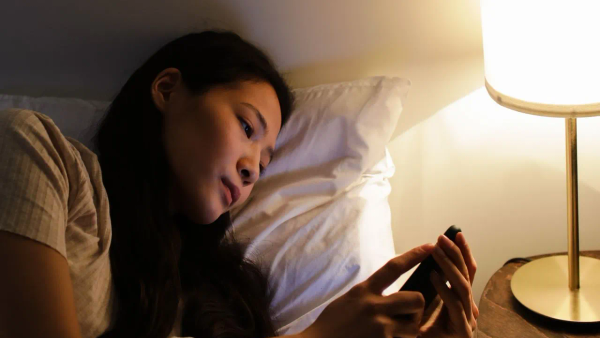
- watching clips in bed
- ordering something while trying to relax
- reading comment sections that leave you keyed up
- moving between apps instead of letting the day end
A few frictions can help restore evening calm
You do not need to reject modern life. It is usually enough to make convenience slightly less automatic at night.
That might look like:
- charging your phone outside the bedroom
- choosing a cut-off time for streaming
- leaving online shopping for the daytime
- turning off non-essential notifications
- using a lamp instead of bright overhead lighting once the evening begins
If devices are the main issue, creating healthier boundaries with smart gadgets can help.
Let some things become less available at night
Rest often needs a little harmless inconvenience.
It helps when some things are no longer instantly within reach:
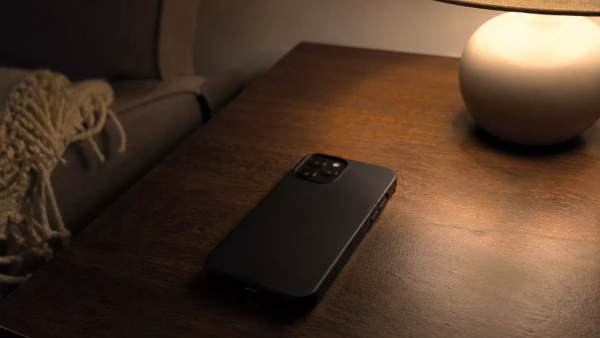
- the phone stays across the room
- the laptop gets closed and put away
- the television goes off before you are half asleep
- the bedroom stops doubling as the whole internet
That kind of limit is not deprivation. It is a way of making space for quiet again.
Choose one old-fashioned evening cue
One of the easiest ways to soften modern convenience is to bring back a simple ritual that does not demand much from your attention.
It might be:
- reading a physical book
- making tea
- stretching
- dimming the lights
- taking a short walk
These small cues help the day feel like it is actually ending.
If you need an easy alternative to late-night scrolling, a paperback bedtime ritual can be a good place to begin.
Make convenience serve your rest, not interrupt it
The goal is not to become anti-technology or anti-comfort.
It is simply to notice when convenience is making your evenings feel busier than they need to be. Once you see that pattern, small boundaries become much easier to choose.
Useful tools are still useful. They just do not need to be with you all the way into bed. If you would like a fuller look at building sleep-friendly evenings from the ground up, our complete guide to better sleep is a helpful companion.
Sources
Frequently Asked Questions
Why do modern devices make it harder to fall asleep?
Phones, laptops, and streaming services are designed to hold attention, not release it. They deliver light, novelty, emotional content, and constant new choices — all of which keep the brain alert at a time when it needs to slow down. The stimulation is not dramatic, but it is persistent, and that is enough to push back the natural shift toward tiredness.
What is digital overstimulation and how does it affect evenings?
Digital overstimulation is the result of consuming too much input — screens, notifications, media, messages — in a short period, especially in the evening. It can leave you feeling wired but tired, mentally busy without actually being productive, and more likely to lie awake once you finally do get into bed.
What is the easiest way to create an evening boundary with technology?
Charging your phone outside the bedroom is one of the most effective single changes you can make. It removes the temptation to check it in bed, reduces screen light near sleep time, and makes the bedroom feel less like a second desk. You do not need to overhaul your whole routine — just that one small friction point often makes evenings feel noticeably quieter.
How long before bed should you stop using screens?
Thirty minutes to an hour before you want to sleep is a reasonable target for most people. This does not have to mean zero screens with military discipline — it means gradually shifting toward lower stimulation rather than going from full scrolling to lights out. Dimming the screen and choosing less stimulating content is a good halfway step.
What is a simple evening boundary and why does it help?
An evening boundary is a chosen point in the day after which you let certain tools — especially bright screens and work notifications — step back. It does not have to be dramatic. Something as small as leaving your phone in another room for the last hour before bed can shift the tone of the whole evening. The boundary matters less as a rule and more as a way of giving your body a clearer signal that the day is finishing.
Enjoyed this? Get more like it.
Calm sleep guidance, straight to your inbox.
Sleep tips, straight to your inbox.
Calm, practical sleep guidance — we'll be in touch when we have something worth sharing.

Sheepherd is the editorial voice of The Sleepy Company. Sleep research and calmer habit guidance — written without hype, medical claims, or pressure.