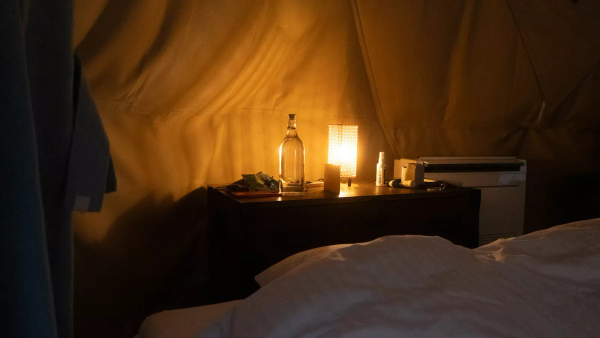
Sleeping better usually comes down to a few consistent habits — not one dramatic change. The most helpful things are often the least complicated: keeping a steady wake time, winding down before bed, and making your bedroom a place that supports rest rather than working against it.
Sleep hygiene is the collection of habits and environmental conditions that support your ability to fall asleep and stay asleep. It is not a rigid checklist. Think of it as a set of gentle adjustments you make over time, each one making the next night a little easier than the last.
This guide brings together everything that tends to matter most. Each section goes deeper on one part of the picture — and links to a dedicated post if you want to explore it further.
Why sleep matters more than most people realise
Most people know they could probably sleep more. What is harder to see in the moment is how much consistently getting too little of it costs them — not just in tiredness, but in mood, focus, patience, and how the whole day feels.
Sleep is not a passive state your body falls into when it has nothing better to do. It is one of the most active and important things your brain and body do in a twenty-four-hour period. Memory consolidates during sleep. Tissues repair. Stress hormones regulate. Emotional processing that would be impossible while you are awake happens quietly in the background.
When sleep is cut short night after night, those processes get interrupted. The effects tend to build gradually, which makes them easy to normalise. Many people do not realise how much sleep debt they are carrying until they experience a genuinely restorative night and feel the contrast.
Read more about why sleep matters and what it costs when we shortchange it.
What actually happens when you sleep
Sleep is not one uniform state. It is a structured cycle your body repeats several times across the night, moving through lighter stages, deeper slow-wave sleep, and REM sleep.
REM sleep is the stage during which your brain is most active, your eyes move rapidly beneath your eyelids, and most vivid dreaming occurs. It plays a key role in emotional processing and memory. The later hours of the night — the ones most easily cut short by an early alarm — contain the longest stretches of REM, which is why those hours matter more than they might seem.
Deep sleep, also called slow-wave sleep, is the stage your body prioritises in the earlier part of the night. Physical restoration happens here — growth hormone is released, tissues repair, and the immune system gets a chance to do its maintenance work.
Understanding this cycle changes how you think about sleep. It is not just about hours in bed. It is about giving your body enough uninterrupted time to move through those stages completely.
Read the full explanation of what happens during each stage of sleep.
Why you might not be falling asleep
If you lie down and find your mind wide awake, there is usually a reason — and it is rarely just stress. Several common patterns make falling asleep harder without people realising the connection.
Caffeine has a half-life of around five to six hours. A coffee at three in the afternoon still has half its stimulant effect in your system at eight or nine in the evening. Alcohol, which many people use to unwind, disrupts sleep architecture even when it initially helps you feel drowsy. Screen light in the hour before bed suppresses melatonin — the hormone that signals to your brain that it is time to sleep.
Irregular sleep and wake times are another quiet disruptor. Your circadian rhythm is the internal twenty-four-hour clock that regulates when your body expects to sleep and wake. When your schedule shifts around significantly — different bedtimes, wildly different weekend wake times — that clock loses its anchor, making it harder to feel naturally sleepy at a consistent time.
None of this means you need to overhaul everything at once. Small adjustments, made steadily, tend to add up.
Explore common reasons sleep feels difficult and what you can try.
How your bedroom affects your sleep
The environment you sleep in shapes how easily you fall asleep and how well you stay asleep. Light, temperature, and noise all send signals to your brain about whether conditions are right for rest.
A darker room supports melatonin production. Even low levels of ambient light — a streetlamp through thin curtains, a standby light on an electronic device — can be enough to interfere with sleep depth. Blackout curtains or a simple eye mask can make a measurable difference.
Temperature matters more than most people expect. Your core body temperature naturally drops as you move toward sleep. A cooler bedroom — most research suggests somewhere around 16 to 19 degrees Celsius — supports that drop and helps you stay asleep through the night. A room that is too warm tends to cause more waking and lighter sleep overall.
Noise is personal. Some people sleep better with silence; others find gentle background sound — a fan, soft white noise — more helpful than trying to block everything out. The key is reducing unpredictable noise, which is more disruptive than steady low-level sound.
Your bedroom is worth paying attention to. Small, calm changes there often have a bigger effect than you expect.
Read a practical guide to creating a calmer bedroom that supports better sleep.
Why your morning routine shapes your night
What you do in the morning has a stronger effect on that evening’s sleep than most people realise. Light exposure early in the day is one of the most powerful cues for your circadian rhythm. Getting outside — even for a short walk — within an hour or two of waking helps anchor your internal clock and makes it easier to feel sleepy at a reasonable time that evening.
A consistent wake time matters more than a consistent bedtime. Your body calibrates its sleep pressure — the biological drive to sleep — from your wake time forward. When your wake time drifts, your sleep timing drifts with it. Keeping wake time steady, even after a poor night, tends to stabilise the rest of your sleep pattern over time.
Morning movement, a calm breakfast, and a few minutes without screens can all contribute to a steadier rhythm that plays out across the whole day — including how you feel when it is finally time to wind down.
Find out how a steadier morning routine can support better sleep at night.
Bedtime procrastination and what it costs you
Bedtime procrastination is the habit of delaying sleep not because you have things you need to do, but because the evening feels like the only time that belongs to you. It is sometimes called “revenge bedtime procrastination” — staying up as a way of reclaiming personal time after a full day of obligations.
It is understandable. The problem is that the hours you gain come directly out of sleep, and the tiredness that follows tends to make the next day feel even more draining — which makes the urge to reclaim those evening hours even stronger.
Recognising the pattern is the first step. If your evenings feel too compressed to give up, the question worth asking is whether earlier parts of the day have enough breathing room — or whether the evening is carrying more than it should.
Read more about why bedtime procrastination happens and what it quietly costs.
When a nap helps and when it doesn’t
Napping can be a genuinely useful tool, or it can make nighttime sleep harder to come by. The difference usually comes down to timing and length.
A short nap is generally defined as ten to twenty minutes — long enough to take the edge off tiredness without pushing you into deep sleep. Waking from deep sleep tends to leave you feeling groggy rather than refreshed, an effect called sleep inertia.
Timing matters too. Napping after three or four in the afternoon can reduce your sleep pressure for the evening, making it harder to fall asleep at your usual time. If you find you regularly need an afternoon nap, it is worth considering whether your nighttime sleep is giving you enough of what you need.
Find out when a nap helps, how long it should be, and when to skip it.
How to calm a racing mind at bedtime
A mind that will not switch off at night is one of the most common sleep complaints — and one of the most frustrating, because trying harder to stop thinking tends to make it worse.
The most effective approaches do not try to silence the mind by force. Instead, they give it somewhere less activating to be. Slow, conscious breathing is one of the simplest. Deliberately extending the exhale — breathing in for four counts and out for six or eight — activates the parasympathetic nervous system and gently reduces physiological arousal.
Writing things down before bed can help too. If your mind is running through tomorrow’s tasks or unresolved concerns, a short brain dump onto paper — not a screen — can reduce the sense that you need to hold onto everything mentally. Once it is written, it is less likely to keep surfacing.
Explore a seven-step approach that may help quiet a racing mind at bedtime.
Frequently Asked Questions
How many hours of sleep do adults actually need?
Most adults need between seven and nine hours of sleep per night to function well. Some people genuinely do fine on slightly less; very few can consistently manage on six hours or fewer without accumulating sleep debt over time.
What is the single most useful thing I can do to sleep better?
Keep your wake time consistent, even on weekends. A stable wake time anchors your circadian rhythm more effectively than almost any other change, and the rest of your sleep pattern tends to stabilise around it.
Why do I wake up in the night and struggle to get back to sleep?
Brief night wakings are normal — most people wake several times without remembering it. Waking and staying awake is often caused by stress, caffeine still in your system, a room that is too warm, or light. If it happens regularly, it is worth looking at those factors first before assuming something is wrong.
Does what I eat before bed affect my sleep?
Yes. Heavy or rich meals close to bedtime can make sleep more uncomfortable. Alcohol disrupts sleep structure even when it helps you feel drowsy initially. A light snack that includes some carbohydrates — like a small bowl of oats or a banana — is generally fine and may even support sleep for some people.
Is it normal to feel tired even after a full night’s sleep?
It can be. Sleep quality matters as much as sleep quantity. Waking frequently, spending time in lighter sleep stages, or going to bed too late relative to your natural rhythm can all leave you feeling unrefreshed even after enough hours. If it is persistent, it is worth mentioning to a doctor.
Sleep rarely improves all at once, and that is fine. Most people find that one or two small changes — a steadier wake time, a cooler room, a gentler wind-down — make a noticeable difference within a week or two. Start with what feels most manageable, and let the rest follow.
If you are not sure where to begin, the bedroom environment guide is a practical first step that does not require changing your schedule at all.
Sources
Enjoyed this? Get more like it.
Calm sleep guidance, straight to your inbox.
In this guide
All articles in this series
- How Shifting Daylight With the Seasons Can Affect Sleep6 min
- How Sleep Debt Works and Whether You Can Recover It7 min
- How Room Temperature Shapes the Way You Fall Asleep7 min
- How to Create Healthier Boundaries With Your Smart Gadgets6 min
- Why Reading Bedtime Stories to Your Children Still Matters5 min
- Bedtime Procrastination: Why We Do It and What It Costs7 min
- 5 Reasons to Avoid Using Sleeping Pills Unless Necessary5 min
- When a Short Nap Can Help and How Long It Should Be5 min
- 7 Ways a Break From Social Media Can Calm Your Evenings5 min
- Is There Such a Thing as Too Much Sleep? What to Know4 min
- When You Are Too Tired to Make an Important Decision7 min
- Modern Conveniences Can Make Evenings Harder to Leave Behind5 min
- Why a Cozy, Enclosed Bed Helps Some People Sleep Better4 min
- How a Steadier Morning Routine Can Support Better Sleep6 min
- Why Sleep Matters More Than Most People Think It Does7 min
- The Small Bedroom Details That Quietly Shape Your Evenings5 min
- How Background Sound May Help Create a More Restful Night5 min
- Tea vs. Coffee for Better Sleep: What to Keep in Mind5 min
- Why You Might Not Be Falling Asleep and What to Try6 min
- The Science Behind a Good Night's Sleep, Explained7 min
- How to Create a Calmer Bedroom That Supports Better Sleep6 min
- Bedtime Reading for Adults: Why Books Help You Sleep6 min
- Does Dreaming Affect Your Sleep? What the Research Says5 min
- Is Your Bed Affecting Your Sleep Quality and Health?6 min
- Why You Still Feel Tired After a Good Night's Sleep7 min
- 7 Gentle Rules for a Better Night's Sleep and Why They Work7 min
- How Poor Sleep Can Affect the Way You Feel and Function7 min
Sleep tips, straight to your inbox.
Calm, practical sleep guidance — we'll be in touch when we have something worth sharing.

Sheepherd is the editorial voice of The Sleepy Company. Sleep research and calmer habit guidance — written without hype, medical claims, or pressure.