Some people genuinely sleep better when they feel tucked in and gently enclosed rather than exposed in a wide, open space. This preference is real and fairly common — it may be linked to a sense of physical security, reduced visual stimulation, or the way warmth and weight feel calming to the nervous system.
Sleep comfort is a personal quality — the combination of physical and emotional conditions that allows your body to settle and stay relaxed through the night. What creates comfort for one person can feel restrictive to another, and both responses are equally valid.
If you have always made your bed feel a little more contained — layering pillows, using heavier bedding, or feeling calmer in smaller rooms — this piece is for you.
The proprioceptive sense is your body’s internal awareness of its own position and pressure — it is one reason weight, contact, and physical enclosure can feel calming rather than uncomfortable. Weighted blankets and layered bedding tap into this system in a gentle way. Deep pressure stimulation is the gentle compression of the body through weight or snug contact, which some research suggests may support the nervous system in moving toward rest more easily.
A different kind of comfort
For some of us, comfort has always had a shape.
It might be curling into a corner of the sofa, sleeping with extra pillows pressed around the body, or feeling calmer in a smaller room than a large open one. There can be something reassuring about that sense of being held in place.
It is less about restriction and more about softness, warmth, and protection.
Why enclosed spaces can feel soothing
There are many possible reasons someone might prefer a more cocooned feeling at rest:
- it can feel physically secure
- it reduces the sense of exposure
- it quiets visual distractions
- it creates a stronger feeling of warmth
For people who are easily overstimulated, the appeal of a smaller, softer-feeling sleep space makes a lot of sense.
You do not need to justify your comfort
Sleep advice sometimes leans toward one ideal image of rest: a big open bedroom, a perfect bed, and lots of uncluttered space.
But comfort is personal.
If you sleep better when your environment feels more nestled, that does not automatically mean anything is wrong. It may simply mean your body relaxes more easily when it feels sheltered.
Ways to create a cocooned feeling without overcrowding the room
If this kind of comfort resonates with you, you might try:
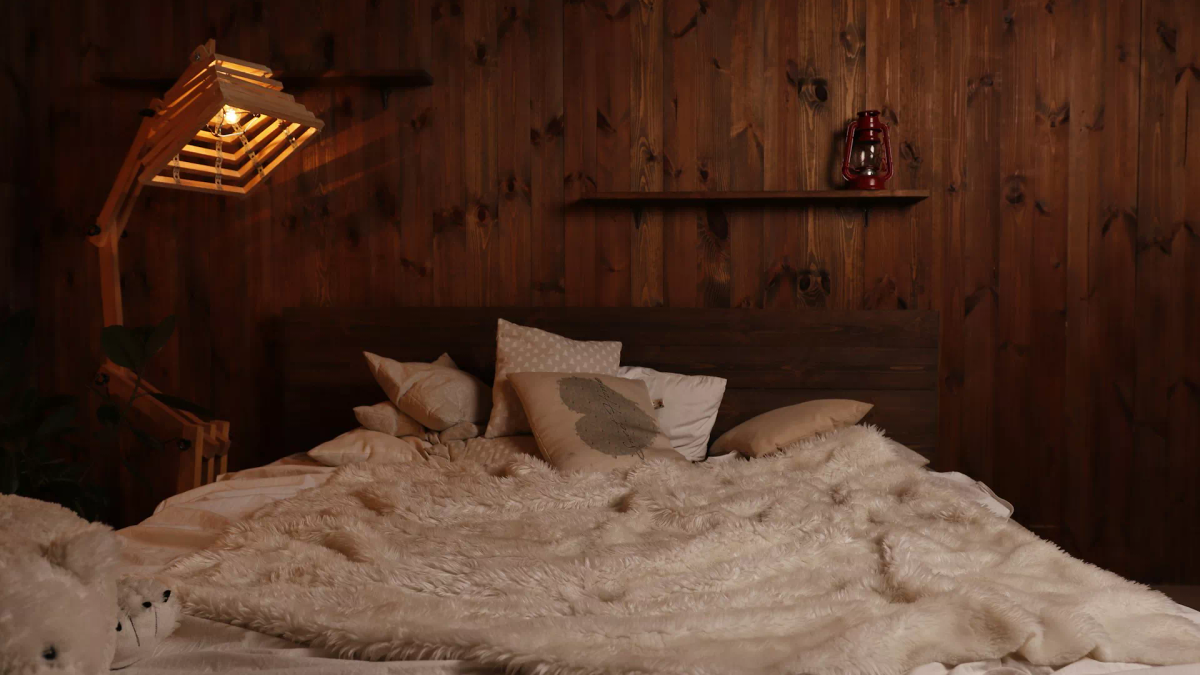
- layering pillows so the bed feels more supportive
- using bedding with a little more weight and warmth
- keeping the sleeping area visually calm
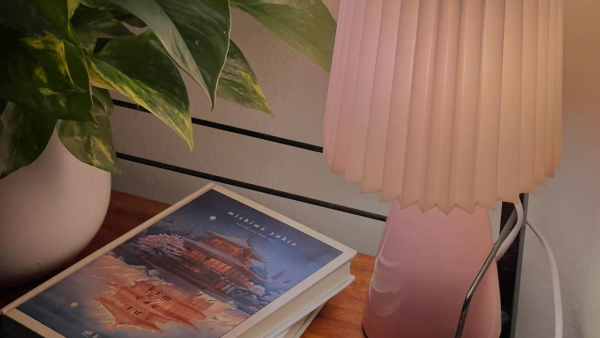
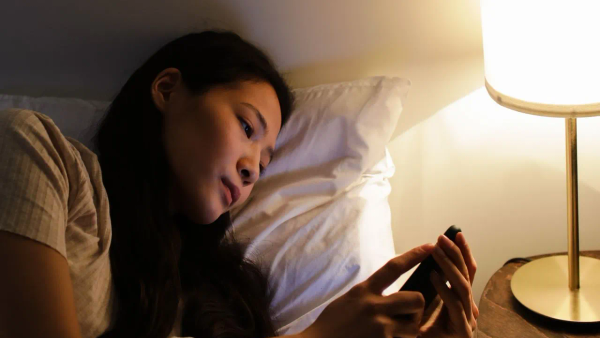
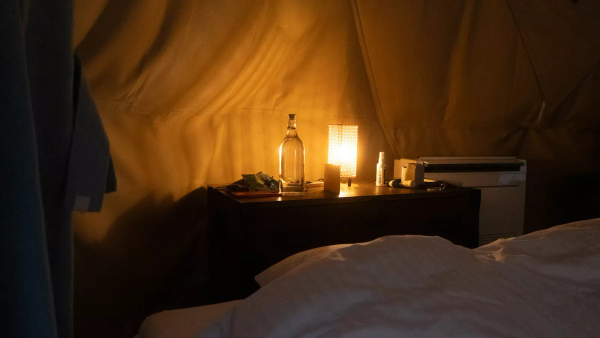
- choosing softer lighting in the evening
- arranging furniture so the room feels intimate rather than exposed
The goal is not to make the room cramped. It is to make it feel safe.
If you are still shaping your room, these sleep environment ideas can help you build on that feeling.
Warmth, texture, and routine matter too
Often, the cocoon feeling is not just about space. It is also about sensation.
Soft bedding, familiar textures, a repeated bedtime ritual, and a quiet room can all contribute to the same emotional effect. You are telling your body, in several ways at once, that the day is over and it can let go.
For some people, even a steady fan or low background sound adds to that sense of being gently buffered from the outside world. Sound can be part of the setup too.
Let comfort be specific
Not everyone will relate to this kind of preference, and that is fine.
But if you have always found yourself making a bed feel more enclosed, building little nests with blankets and pillows, or relaxing better in smaller-feeling spaces, it may simply be one of the ways your body understands rest.
Sleep does not have to look the same for everyone. Sometimes the best environment is the one that feels a little like a cocoon. If you want to explore what else supports a good night, our complete guide to better sleep covers the full picture.
Sources
Frequently Asked Questions
Why do some people sleep better when they feel enclosed?
Feeling tucked in or gently enclosed may give a sense of physical security that helps the nervous system settle. For people who are easily overstimulated, reducing the feeling of exposure can make the sleep environment feel quieter and more contained.
Is it normal to prefer sleeping in a smaller or more enclosed space?
Yes — sleep comfort preferences vary widely. Some people genuinely rest better in more contained spaces, while others need openness to relax. Neither is more correct than the other.
How can I make my bed feel cozier and more enclosed?
Layering pillows, using warmer or heavier bedding, keeping the area around the bed visually simple, and dimming the room earlier in the evening can all help. The goal is not to make the space cramped but to make it feel supported and warm.
Does weighted bedding help with sleep?
Some people find that heavier blankets or duvets feel calming, especially those who enjoy the sensation of being tucked in. The added weight can create a grounding effect for some sleepers, though it is a personal preference rather than a universal benefit.
What makes a bedroom feel cozy at night?
Soft lighting, warm textures, minimal visual clutter, and a consistent bedtime routine all contribute to a cozy feel. Small changes — adding a pillow, switching to a warmer duvet, or dimming the lights earlier — are often enough to shift how the room feels at bedtime.
Enjoyed this? Get more like it.
Calm sleep guidance, straight to your inbox.
Sleep tips, straight to your inbox.
Calm, practical sleep guidance — we'll be in touch when we have something worth sharing.

Sheepherd is the editorial voice of The Sleepy Company. Sleep research and calmer habit guidance — written without hype, medical claims, or pressure.