You cannot fully make up for lost sleep with a weekend lie-in — a few extra hours can blunt the sharpest effects of a couple of short nights, but sleep debt that builds up over weeks does not clear that easily. If sleep has been slipping down your list, the more useful move is not a perfect overhaul — it is picking one repeatable change and protecting it.
Sleep is one of the most underprotected parts of daily life, and the cost tends to show up quietly rather than all at once — mood grows less stable, focus gets harder to sustain, and ordinary stress takes longer to recover from. Because the effects accumulate gradually, they can start to look like personality traits or fixed limits, rather than signs that rest simply is not getting the priority it deserves.
The rest of this guide covers why sleep keeps losing out to work, screens, and stress, how the effects show up far beyond simple tiredness, and what protecting it can actually look like day to day.
What protecting sleep can look like in real life
You do not need a flawless routine or a dramatic reset to start valuing sleep more appropriately.
Often it looks like smaller, repeatable decisions:
- choosing a more realistic bedtime
- dimming screens earlier
- reducing late caffeine
- treating the bedroom as a place for rest rather than overflow work
- giving yourself a short transition before bed instead of falling into sleep from full-speed stimulation
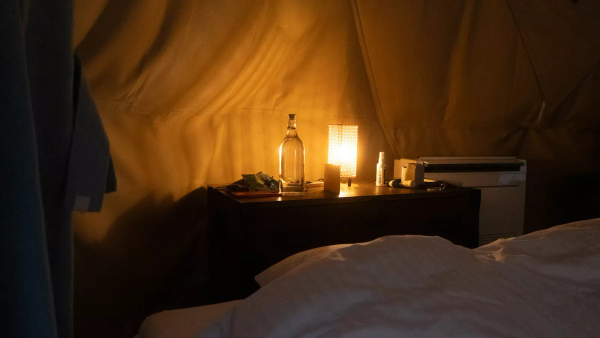
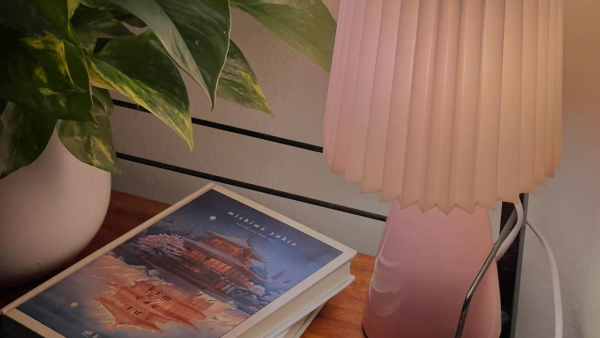
If your room still feels active or cluttered at night, a calmer sleep environment can make the rest of the routine easier to protect.
Why people keep pushing sleep aside
There are obvious reasons sleep gets crowded out:
- work that runs late
- parenting or caregiving demands
- stress that follows you into the evening
- phones and screens that keep the brain stimulated
- the feeling that nighttime is the only personal time left
But there is also a quieter reason. Sleep often loses because its value is easy to underestimate in the moment.
You notice the extra email you answered at midnight. You notice the extra episode. You notice the little burst of relief from staying awake and avoiding the next day for one more hour.
What you do not always notice as clearly is what poor sleep quietly takes away tomorrow.
The effects show up far beyond tiredness
Chronic sleep deprivation is the ongoing pattern of sleeping less than your body needs, distinct from a single bad night, and its effects on mood and functioning can build over time in ways that feel increasingly normal.
People often talk about sleep loss as if it only means feeling sleepy.
But too little sleep can also make the day feel:
- more emotionally sharp
- harder to organize
- easier to overload
- more dependent on caffeine or stimulation
- more frustrating than it would otherwise be
That is part of why sleep deserves a more protected place in daily life. It shapes the condition you bring into everything else.
If this is already familiar, how poor sleep affects the way you feel and function is worth reading too.
Poor sleep changes the way ordinary stress feels
Emotional resilience is the capacity to recover from setbacks and absorb daily friction without becoming overwhelmed. Sleep is one of the key things that replenishes it.
When you are under-rested, problems can feel larger than they are.
Small interruptions become harder to tolerate. Minor disappointments feel heavier. It takes less to push you into irritability, fogginess, or the kind of mental clutter that makes everything feel slightly too hard.
That does not necessarily mean life got dramatically worse overnight. It often means your nervous system has less room to absorb the ordinary friction of the day.
In that sense, sleep is not only about physical rest. It is also part of how much resilience you have available.
Sleep deprivation often creates compensation habits
When rest gets thin, people usually compensate somehow.
That can look like:
- more caffeine
- more sugar
- more scrolling
- more second winds late at night
- more difficulty winding down the next evening
This is one reason poor sleep can become self-reinforcing. The habits that help you limp through a tired day can make the next night harder too.
If late stimulation is part of the cycle, creating healthier boundaries with screens and smart gadgets can help.
Why sleep still gets treated like a luxury
Part of the problem is cultural.
There is still a tendency to admire busyness, reward availability, and treat recovery as something you earn after everything else is finished. Sleep gets framed as passive time rather than active support for the rest of life.
But sleep is not wasted time.
Memory consolidation is the process by which the brain strengthens and stores the day’s learning during sleep, and it depends on getting enough uninterrupted rest.
It supports memory, attention, emotional regulation, and the ability to think clearly. It also affects how your body moves through the next day.
That means protecting sleep is not laziness. It is maintenance.
Better sleep is often quieter than people expect
Not every improvement feels dramatic.
Sometimes better sleep simply looks like:
- mornings that feel less hostile
- steadier concentration
- less emotional overreaction
- fewer desperate energy fixes
- an easier time recovering from the day
These changes can be subtle, but they add up. They affect how life feels from the inside.
Sleep does not need to be earned
One reason sleep becomes underrated is that people start treating it like a reward for finishing everything first.
But for most people, the list never fully ends.
If sleep always has to wait until every task is done, it will usually lose. A more helpful approach is to think of sleep less as the leftover part of the day and more as something worth protecting before exhaustion makes the decision for you.
That does not mean every night will be perfect. It means rest deserves a more stable place in the hierarchy.
Let sleep matter before the cost gets louder
Sleep loss rarely announces itself all at once. It usually shows up as smaller losses: a shorter fuse, a foggier head, a harder morning, a little more compensation, a little less steadiness.
That is part of why it is so easy to underestimate.
If sleep has been slipping to the bottom of the list, the most useful question may not be how to optimize it perfectly. It may simply be:
What would it look like to stop treating rest as optional?
If you are ready to act on that question, our complete guide to better sleep brings together the practical steps in one place.
Sources
Frequently Asked Questions
Can you make up for lost sleep?
You can reduce the sharpest effects of a few short nights with extra rest at the weekend, but sleep debt that builds over weeks or months is harder to fully recover from. A consistently earlier, steadier bedtime is more effective than occasional long lie-ins.
How do you start protecting sleep when life is busy?
Start with one repeatable change rather than a complete overhaul. Going to bed thirty minutes earlier, dimming screens earlier, or setting a consistent wake time can all make a meaningful difference without requiring a dramatic lifestyle shift.
Why is sleep so important for health?
Sleep is when your body and brain carry out essential maintenance: consolidating memories, regulating hormones, repairing tissue, and restoring emotional stability. Without enough of it, almost every other area of health becomes harder to sustain.
How does poor sleep affect your day?
Poor sleep tends to make concentration harder, patience shorter, and ordinary stress feel more intense. Tasks take more effort, emotional reactions are harder to manage, and the general sense of coping well tends to weaken.
Why do people keep choosing screens over sleep?
Screens offer immediate stimulation and a sense of personal time at the end of a busy day. The cost of that choice, reduced sleep quality and duration, tends to show up more gradually and is therefore easier to underestimate in the moment.
Enjoyed this? Get more like it.
Calm sleep guidance, straight to your inbox.
Sleep tips, straight to your inbox.
Calm, practical sleep guidance — we'll be in touch when we have something worth sharing.

Sheepherd is the editorial voice of The Sleepy Company. Sleep research and calmer habit guidance — written without hype, medical claims, or pressure.