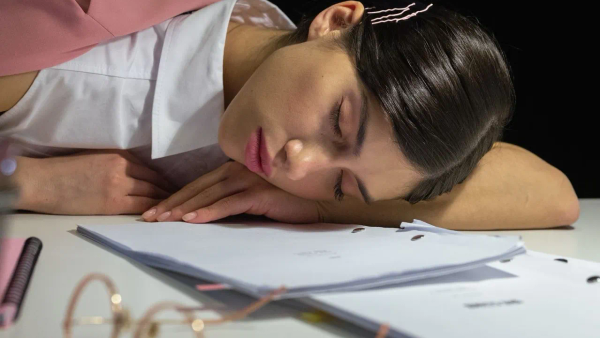
Tiredness impairs judgment in ways that are difficult to notice from the inside. When you are sleep-deprived or emotionally overloaded, ordinary choices can feel urgent, impossible to sort through, or far more consequential than they actually are.
What looks like a decision problem is often a rest problem first. A fatigued mind tends to narrow its thinking, favor short-term relief over long-term consequences, and interpret ambiguity as threat.
Delaying a major decision until you are more rested is not always avoidance. It is a way of giving yourself the clearer mental conditions that better thinking requires.
Why tiredness changes the way decisions feel
Decision fatigue is the deteriorating quality of choices made after a long period of mental activity or poor rest, when the brain’s ability to evaluate options clearly becomes depleted.
Fatigue does not only affect mood. It affects judgment, patience, memory, and your ability to weigh tradeoffs.
When you are low on sleep or mentally worn down, you may be more likely to:
- react quickly just to end the pressure
- focus on short-term relief instead of long-term consequences
- miss details you would normally notice
- think in extremes instead of seeing nuance
- feel like there are only two options when there may be several
This is one reason sleep quality matters far beyond bedtime. A tired mind often experiences choice as threat, not as a process.
If daytime tiredness is happening often, looking more closely at why sleep still feels unrefreshing is a useful next step.
Signs you may be too tired to decide well
Not every important choice needs perfect conditions. But it helps to notice when your mental state is clearly working against you.
Warning signs include:
- you keep rereading the same information without absorbing it
- everything feels unusually urgent late at night
- you want to answer immediately just to stop thinking about it
- you feel more irritable, trapped, or hopeless than the situation probably deserves
- your body feels wired, but your thinking feels muddy
- you know you are running on too little sleep, but you are still trying to force clarity
If several of those are true, the first priority may not be to decide. It may be to recover enough to see the situation more accurately.
Stress and time pressure can create false urgency
People often make worse choices when stress and fatigue stack on top of each other.
A rushed evening can create the feeling that something must be solved tonight, especially if you are already depleted. But a sense of urgency is not the same as real urgency.
Before deciding, ask:
- Does this truly need an answer right now?
- Would I think about this differently after sleep?
- Am I responding to facts, or to pressure?
- Do I have all the information I actually need?
Those questions will not solve every problem, but they can prevent you from mistaking a tired state for a clear conclusion.
Sleep deprivation affects more than energy
Cortisol is a stress hormone your body releases in response to pressure, and poor sleep tends to raise baseline cortisol levels, leaving you more reactive and less emotionally steady throughout the day.
Poor sleep does not just make you yawn more. It can lower frustration tolerance, weaken concentration, and make it harder to regulate emotion.
That matters because big decisions often involve:
- uncertainty
- social pressure
- long-term consequences
- the ability to tolerate discomfort without panicking
When those demands meet a tired nervous system, your mind is more likely to chase immediate relief instead of a thoughtful answer.
If this pattern sounds familiar, how poor sleep affects daily functioning is worth reading too.
What to do instead of forcing an answer
If a decision feels heavy but not truly urgent, give yourself a short recovery window before committing.
That might mean:
- sleeping on it and revisiting the question in the morning
- stepping away for a quiet walk before replying
- writing down the options so your mind does not have to hold everything at once
- discussing it with someone calm rather than someone equally stressed
- dimming the room, lowering stimulation, and giving your body a chance to settle first
Sometimes the smartest move is not more analysis. It is less stimulation.
If your evenings are often noisy or emotionally crowded, slowing the pace before bed can make a noticeable difference.
A better question: what would this look like after rest?
Emotional regulation is the ability to manage and respond to emotional experiences in a measured way. Sleep plays a direct role in it, and its absence makes strong emotional reactions harder to temper.
When you are overwhelmed, your thinking can become narrow. You may assume the current feeling is the truest possible reading of the situation.
A more grounded question is:
What would this decision look like if I were calmer, more rested, and less pressured?
You may still make the same choice. But if the answer changes dramatically after rest, that tells you something important about the state you were in.
Not everything has to be solved tonight
Many people do some of their worst thinking late in the evening while trying to wring certainty out of an exhausted brain.
That does not mean night is bad. It means depleted nighttime thinking is often a poor environment for life-changing decisions.
If the choice is not urgent, postponing it can be wise. Sleep can soften emotional heat, widen perspective, and help you notice options that fatigue hid from view.
You do not always need more willpower. Sometimes you need a better rested version of yourself. If you want to understand what goes into building that, our complete guide to better sleep is a useful place to begin.
Sources
Frequently Asked Questions
Does being tired really affect decision-making?
Yes, significantly. Poor sleep reduces the brain’s ability to weigh options clearly, regulate emotion, and resist impulsive responses. Decisions made while fatigued tend to favor immediate relief over thoughtful long-term thinking.
How can you tell if you are too tired to decide something important?
Signs include reading the same information without absorbing it, feeling like everything is more urgent than usual, wanting to resolve something just to stop thinking about it, and emotional reactions that feel out of proportion to the actual situation.
Is it better to sleep on a difficult decision?
In most cases, yes. Sleep allows the brain to process information, reduce emotional intensity around a problem, and approach the question with a clearer perspective. If a decision does not need an immediate answer, rest is often the most useful first step.
Can stress and fatigue together make decisions harder?
Yes. Stress and poor sleep amplify each other’s effects. Stress raises cortisol, which disrupts sleep; poor sleep lowers frustration tolerance, which worsens stress. Together they create conditions where decisions feel more pressured and clarity is harder to access.
What should you do instead of forcing a tired decision?
Write down your options so your mind does not have to hold them all at once, step away from the question briefly, sleep on it if timing allows, or talk it through with someone calm rather than someone equally stressed. Reducing stimulation before returning to the decision often helps more than forcing extra analysis.
Enjoyed this? Get more like it.
Calm sleep guidance, straight to your inbox.
Sleep tips, straight to your inbox.
Calm, practical sleep guidance — we'll be in touch when we have something worth sharing.

Sheepherd is the editorial voice of The Sleepy Company. Sleep research and calmer habit guidance — written without hype, medical claims, or pressure.