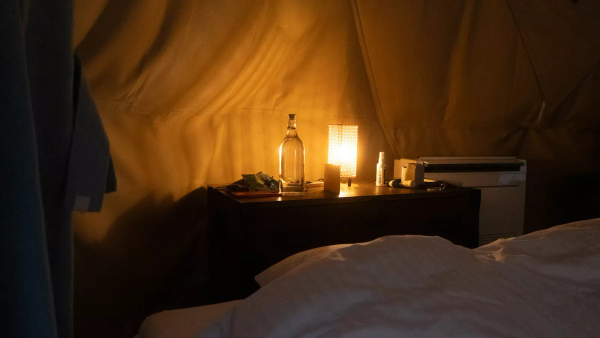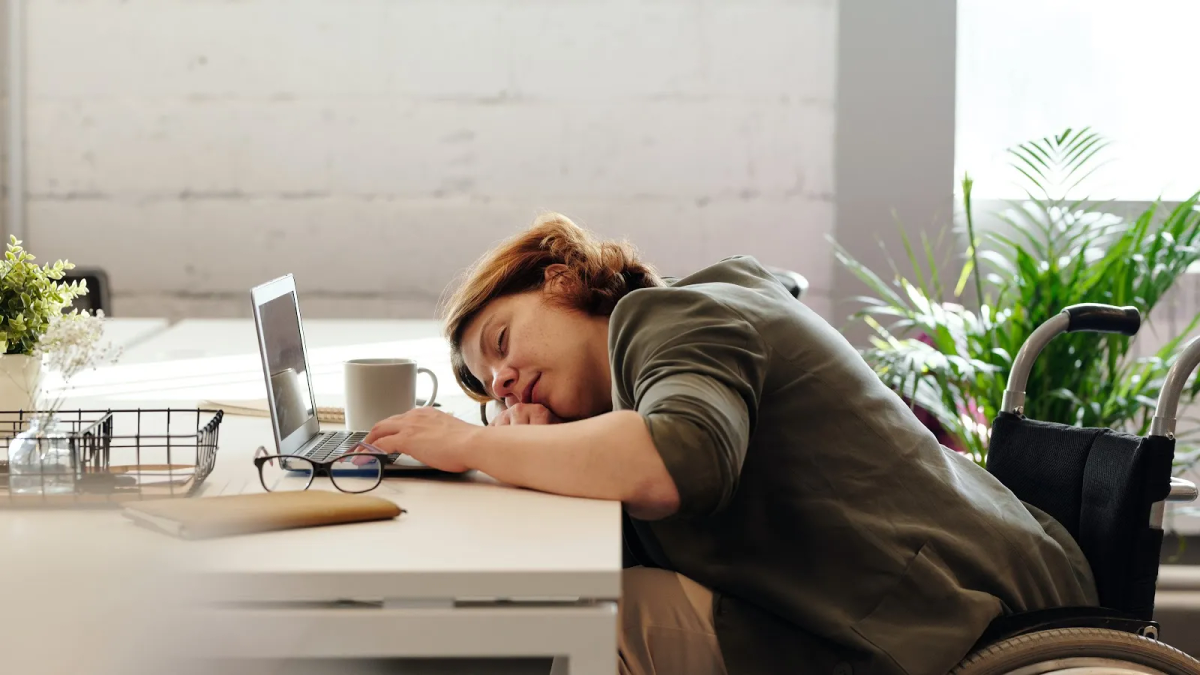
A short nap — usually between ten and twenty minutes — can reduce tiredness and sharpen your focus for the rest of the day. It works best when taken before 3 pm, so it does not take the edge off your sleep drive at night.
The length and timing of a nap matter more than whether you nap at all. A brief, well-placed rest can support the afternoon without making bedtime harder. A long or late nap can do the opposite.
So the more useful question is not whether naps are good or bad, but when they actually help — and when they are better skipped.
A nap can offer a quick reset
A brief nap can help when you feel:
- mentally foggy
- unusually irritable
- physically drained
- too tired to focus well
For some people, a short rest creates just enough distance from the day to feel more capable again.
Short is usually better
Sleep inertia is the groggy, disoriented feeling you get immediately after waking from deeper sleep. It is one of the main reasons long naps can leave you feeling worse rather than better.
Long naps can leave you groggy or make it harder to feel sleepy later.
For many people, the sweet spot is closer to 20 to 30 minutes than a full afternoon sleep. That is often enough to feel refreshed without making the body think nighttime sleep should arrive later.
Timing matters
Earlier naps tend to be easier on nighttime sleep than late ones.
If you nap too close to bedtime, you may take the edge off your sleep drive and make the night feel slower to begin.
That is why naps often work best:
- earlier in the afternoon
- when clearly needed
- for a short, contained amount of time
If you are already struggling to fall asleep at night, a steadier sleep schedule may be a better first fix than adding more nap time.
Naps can support mood and concentration
A power nap is a short sleep of ten to twenty minutes designed to restore alertness without entering the deeper stages of sleep. Because it ends before the body reaches slow-wave sleep, it avoids sleep inertia and is easier to wake from feeling refreshed.
When tiredness builds up, everything can start feeling slightly harder than it should.
A short rest may help with:
- patience
- attention
- memory
- the feeling that your mind has become overcrowded
That does not mean naps replace nighttime sleep. They are more like a small reset button than a full repair.
Sometimes tiredness needs a different answer
Sleep debt is the accumulated difference between the sleep your body needs and the sleep it has actually received. Napping every day in long stretches often signals sleep debt rather than a need for napping itself.
If you feel drawn to nap every day, especially for long stretches, it may be worth asking why.
You might be:
- not sleeping long enough at night
- sleeping long enough but not well enough
- keeping an inconsistent schedule
- relying on naps to compensate for deeper fatigue
In that case, naps are not the problem, but they may not be the whole solution either.
If waking up tired is the bigger pattern, this guide on persistent fatigue may be more helpful.
A gentle rule for naps
If a nap helps you feel steadier and does not interfere with nighttime sleep, it may be a useful tool.
If it leaves you foggy, late-sleeping, or less sleepy at bedtime, it may be worth shortening it, moving it earlier, or skipping it for a while.
The best nap is not the longest one. It is the one that helps the day without making the night harder. If you would like to explore what else supports restful nights, our complete guide to better sleep covers it all in one place.
Sources
Frequently Asked Questions
How long should a nap be?
For most people, ten to twenty minutes is the most useful length. This is enough to reduce tiredness and improve alertness without entering deep sleep, which can leave you groggy and harder to wake.
What time of day is best for a nap?
Earlier in the afternoon tends to work best — usually between 1 pm and 3 pm. Napping later than this can reduce how sleepy you feel at your normal bedtime, making the night harder to start.
Will napping affect my night sleep?
A short, well-timed nap generally does not disrupt night sleep for most people. A long nap or one taken late in the afternoon or evening is more likely to push back your natural sleep time and make it harder to feel sleepy at night.
Is it okay to nap every day?
Occasional or regular short naps are fine for many people, particularly if they leave you feeling steadier rather than more dependent on them. If you feel the need to nap every day for long periods, it may be worth looking at whether your night sleep is meeting your needs.
Why do I feel worse after a nap?
Waking during deep sleep causes sleep inertia — the heavy, disoriented feeling that can last ten to thirty minutes after a long nap. Keeping naps short, around ten to twenty minutes, usually avoids this.
Enjoyed this? Get more like it.
Calm sleep guidance, straight to your inbox.
Sleep tips, straight to your inbox.
Calm, practical sleep guidance — we'll be in touch when we have something worth sharing.

Sheepherd is the editorial voice of The Sleepy Company. Sleep research and calmer habit guidance — written without hype, medical claims, or pressure.