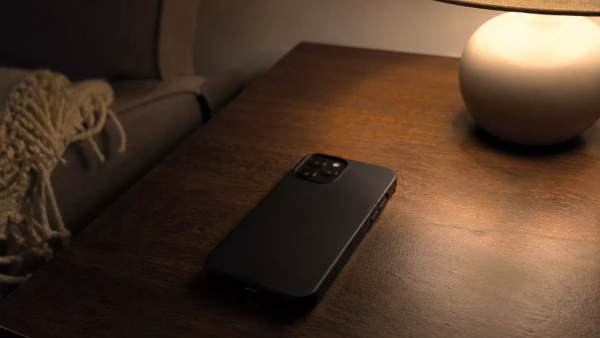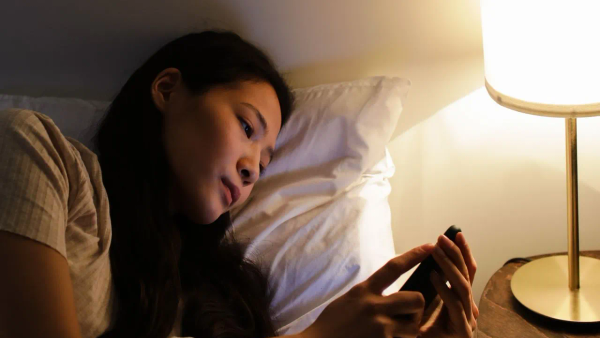
If you are deciding what to do with the last stretch of the evening, reach for a physical book over your phone. A physical book is the better choice because it sends no notifications, has no app to switch to, and does not emit the kind of light that delays your body’s shift toward sleep. An e-reader set to warm light with notifications off is a reasonable second choice; reading on a phone or tablet with apps a tap away tends to undermine the benefit entirely. Ten to fifteen minutes in dim light is enough to begin — you do not need to finish a chapter or read anything demanding.
A pre-sleep reading habit is the practice of reading — usually fiction or something undemanding — in the period before bed rather than using screens. It works partly because it asks for one kind of attention instead of several at once, and partly because a calm, repeated activity like this can start to feel like a signal that sleep is near.
Reading can help the day loosen its grip
When you get absorbed in a story, your attention leaves the to-do list for a while.
That matters at night.
Reading fiction can create a feeling of:
- mental distance from the day
- less stimulation than streaming or scrolling
- a slower breathing rhythm
- fewer reasons to keep checking your phone
For many people, that makes it easier to feel sleepy naturally instead of mentally revved up.
Books invite single-task attention
Cognitive load is the total amount of mental effort your working memory is handling at any one moment. Evenings spent multitasking — messaging, watching, scrolling, and thinking ahead simultaneously — keep cognitive load high right up until the moment you try to sleep.
Modern evenings are often noisy in a quiet way. You may be messaging someone, half-watching something, checking headlines, and thinking about tomorrow all at once.
Reading asks for a different kind of attention. You do one thing for a little while.
That single-task focus can feel calming precisely because it is rarer now.
Fiction is especially useful at bedtime
Reading before bed does not need to be educational or self-improving.
In fact, fiction often works especially well because it allows you to:
- enter a slower imaginative world
- step away from real-life pressure
- reduce rumination
- replace doomscrolling with something more contained
The point is not to optimize your brain before sleep. It is to give it a kinder place to land.
Paperbacks have an advantage
E-readers can be convenient, but physical books bring a few bedtime benefits of their own:
- no notifications
- no app switching
- no temptation to open something else
- no bright social feed waiting nearby
That makes a paperback or hardcover feel a little more protected as an evening ritual.
If a physical book is not practical, an e-reader without a busy interface can still be a better choice than reading on your phone.
Reading can become a sleep cue
A conditioned sleep cue is any repeated signal — an action, sound, or smell — that the body begins to associate with the approach of sleep. Once the association is established, the cue itself can help trigger drowsiness.
When you repeat the same calm activity before bed, your body begins to recognize the pattern.
Over time, a simple routine like this can become its own signal:
- dim the room
- put the phone away
- get into bed or a nearby chair
- read a few pages
That kind of consistency often helps more than dramatic shortcuts.
You do not need to read for long
This only works if it feels easy enough to keep doing.
You do not need to finish a chapter. You do not need to choose serious books. You do not need to turn bedtime reading into another performance task.
Ten or fifteen minutes is enough to begin.
Choose something that feels:
- absorbing
- calm enough for evening
- enjoyable rather than worthy
If the book feels like homework, it probably will not become a restful habit.
A softer way to end the night
Reading before bed is not really about productivity, intelligence, or reading more books for the sake of it.
It is about giving the last stretch of the evening a different texture.
Less brightness. Less noise. Less speed.
If your nights have started to feel too screen-led or mentally busy, a paperback by the bed might be one of the simplest ways to make bedtime feel easier again. For a wider view of the habits that support good sleep, our complete guide to better sleep covers everything from environment to routine.
If screens are still creeping into the last part of the evening, reducing digital pull before bed and taking a short social media break pair well with this habit. If you read with children, the case for bedtime stories with your kids makes a similar argument for an earlier generation.
Sources
Frequently Asked Questions
Does reading before bed actually improve sleep?
For many people, yes. Reading slows the pace of the evening, reduces screen exposure, and gives the mind a single, absorbing task rather than the stimulation of scrolling or streaming. Over time it can also become a reliable signal that sleep is approaching.
Is it better to read a physical book or an e-reader before bed?
A physical book is preferable because it does not emit blue-spectrum light or deliver notifications. If a physical book is not practical, an e-reader set to warm light and full reading mode — with notifications off — is a reasonable alternative. Reading on a phone or tablet with apps accessible nearby tends to undermine the benefit.
How long should I read before bed?
Ten to fifteen minutes is enough to begin noticing a difference. There is no need to set a long target or finish a chapter. The habit works because of its consistency and calm, not its duration.
What type of book works best before bed?
Fiction tends to work better than demanding non-fiction because it draws you into a different world without requiring you to retain and evaluate complex information. Light, absorbing, and enjoyable tends to be more useful than educational or emotionally intense.
What if I fall asleep before I finish a page?
Falling asleep mid-page is a sign the habit is working, not a problem to solve. Keep a simple bookmark and pick up where you left off the next evening. The goal is not to make progress through the book — it is to make the transition into sleep feel a little gentler.
Enjoyed this? Get more like it.
Calm sleep guidance, straight to your inbox.
Sleep tips, straight to your inbox.
Calm, practical sleep guidance — we'll be in touch when we have something worth sharing.

Sheepherd is the editorial voice of The Sleepy Company. Sleep research and calmer habit guidance — written without hype, medical claims, or pressure.