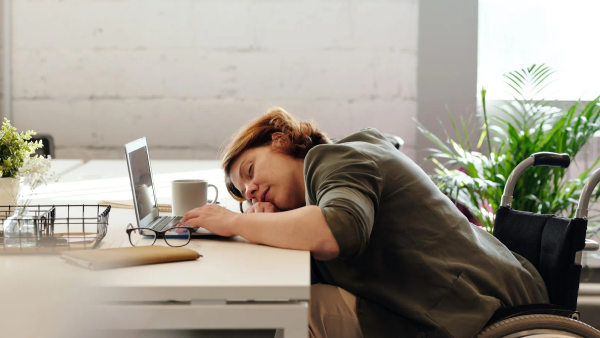
Catching up on sleep at the weekend does not fully erase a week of poor sleep — it can blunt the sharpest effects, but the more reliable fix is a steadier sleep routine across the whole week rather than compensating in bursts. The clearest sign you are running a sleep deficit is not exhaustion itself; it is smaller things — tasks that would normally feel straightforward taking noticeably more effort, patience running shorter, the day feeling harder to navigate than it should.
Poor sleep affects far more than how tired you feel. When sleep is cut short consistently, the effects reach into mood, concentration, physical energy, and your ability to handle the ordinary demands of the day.
The rest of this guide covers what those effects actually look like — cognitively, physically, and in the habits that can feed the cycle — and what protecting sleep can look like day to day.
What protecting sleep can look like day to day
The point is not to treat sleep as another productivity project. It is to recognize that the way you feel, think, and cope through the day is deeply tied to how well you rest at night.
If you have been feeling foggy, flat, or unusually worn down, sleep may deserve more attention than it is getting.
That attention can begin with simple things:
- a more regular sleep window
- fewer stimulating evenings
- a cooler, quieter room
- less late caffeine
- more realistic support for stress
Sleep deprivation can begin quietly
Sleep deprivation is the state of not getting enough sleep, either through a single short night or through a gradual accumulation of missed rest over time.
Sometimes lack of sleep is obvious. Other times it builds more gradually.
You might be dealing with:
- too little total sleep
- a bedroom that is not supportive
- stress that keeps your mind active
- habits that push bedtime later and later
- sleep that is long enough in theory but poor in quality
Over time, even small nightly deficits can add up.
Short-term effects are often the easiest to recognize
After a bad night, you may notice:
- slower thinking
- reduced focus
- more irritability
- poorer memory
- less physical energy
That does not mean one rough night will ruin everything. But it does show how quickly sleep affects the way the day feels.
Thinking and decision-making become harder
Cognitive load is the mental effort required to perform a task. Poor sleep increases cognitive load, meaning your brain works harder just to do what it normally manages with ease.
When you are tired, your brain often has to work harder to do things that would normally feel straightforward.
You may find it more difficult to:
- stay attentive
- solve problems clearly
- absorb new information
- regulate reactions
- make decisions without feeling mentally muddy
This is one reason sleep loss can feel so discouraging. It does not only lower energy. It can make you feel less like yourself. If you have ever noticed that being too tired affects the quality of your decisions, that is not imagined — it is a direct consequence of reduced sleep.
The body feels it too
Poor sleep is not only cognitive.
It can also change how the body feels through the day:
- heavier
- less coordinated
- less resilient
- more prone to cravings and stress
If your work, caregiving, or routine depends on steady physical energy, that effect can become especially noticeable.
Lifestyle patterns can feed the cycle
Sleep debt is the cumulative effect of regularly getting less sleep than your body needs. It does not reset after one good night and can take several days of better rest to recover from.
Sometimes the same habits that make daytime functioning harder also make nighttime sleep worse.
For example:
- too much evening screen time
- very little movement during the day
- a room that feels bright or warm
- late caffeine
- carrying stress straight into bed
That is why improving sleep often means looking at the full rhythm of the day, not just bedtime alone.
If the bedroom itself needs attention, a calmer sleep environment can be one of the most useful starting points.
Better days usually begin with better nights
Small, consistent changes like these tend to pay off gradually rather than overnight — which is where a few related reads can help. If you want a practical companion to this, persistent tiredness after sleep is often worth exploring too. And if daytime fatigue is a regular issue, understanding when a short nap might help — and how long it should be can give you a simple tool for recovery. For the broader picture of why sleep matters as much as it does, that post puts it into context.
Good sleep does not make every day easy. But not getting enough of it can make almost every day harder. For a practical starting point that covers the full range of habits and changes that help, take a look at our complete guide to better sleep.
Sources
Frequently Asked Questions
Does catching up on sleep at the weekend help?
One good weekend does not fully erase a week of poor sleep, but extra rest can reduce the sharpest effects. The most reliable approach is building a steadier sleep routine across the whole week rather than compensating in bursts.
How does poor sleep affect your mood?
Poor sleep lowers your tolerance for frustration and makes emotions feel more intense. Small irritations become harder to manage, and the general steadiness that makes the day feel workable tends to weaken after even one or two shorter nights.
Can lack of sleep affect concentration at work?
Yes. Sleep deprivation slows thinking, reduces focus, and makes it harder to retain new information. Tasks that normally feel routine may start to require noticeably more effort, and mistakes become more likely.
How much sleep does an adult need to function well?
Most adults need seven to nine hours to feel and function well consistently. Some people manage on slightly less; others need a little more. The clearest indicator is whether you wake feeling reasonably restored most mornings without relying heavily on caffeine.
How quickly do the effects of sleep deprivation appear?
Some effects show up after a single short night: slower thinking, reduced focus, and lower mood. With repeated poor nights, those effects build and can start to feel like your normal baseline even when they are not.
Enjoyed this? Get more like it.
Calm sleep guidance, straight to your inbox.
Sleep tips, straight to your inbox.
Calm, practical sleep guidance — we'll be in touch when we have something worth sharing.

Sheepherd is the editorial voice of The Sleepy Company. Sleep research and calmer habit guidance — written without hype, medical claims, or pressure.