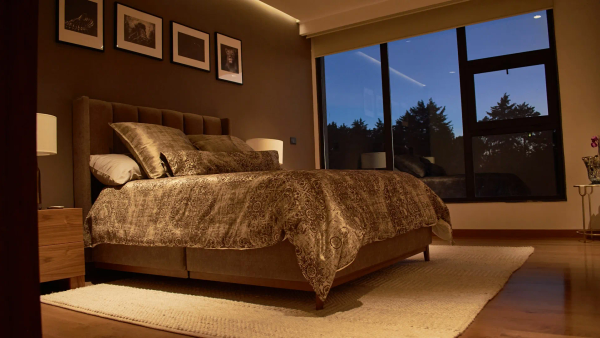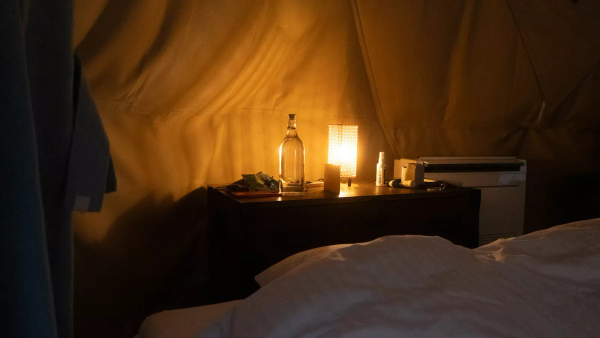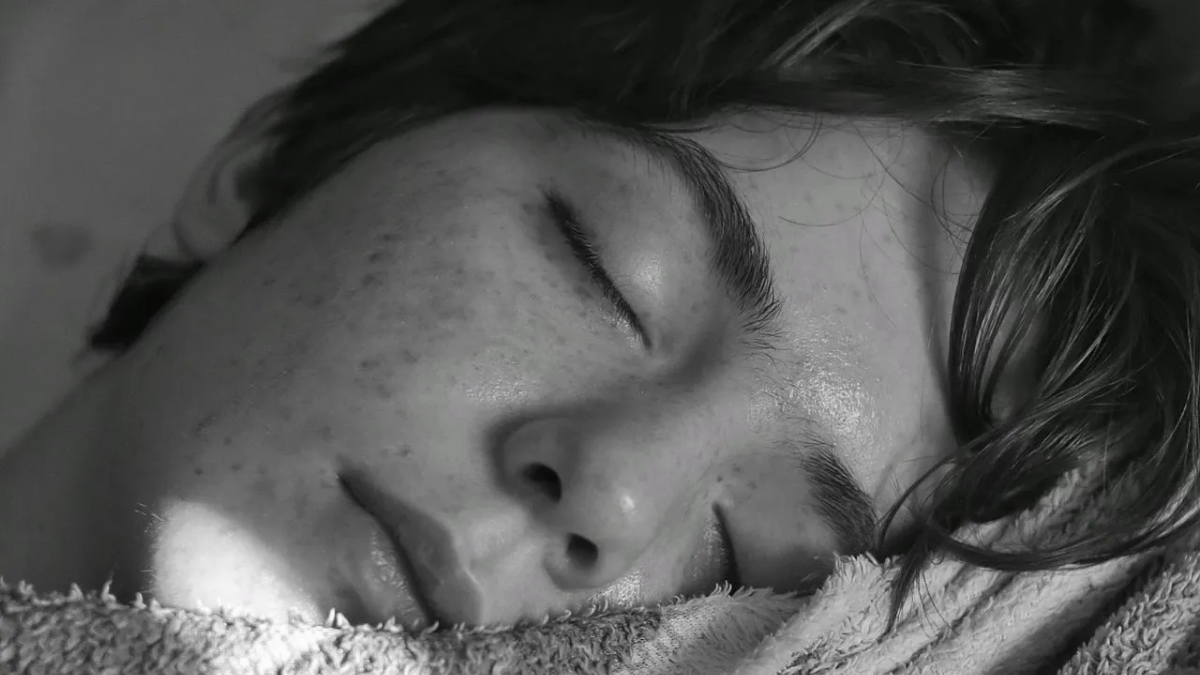
You cannot deliberately extend deep sleep through effort — the body regulates how much of it you get based on its own needs — but you can protect the conditions that make more of it likely: consistent sleep timing, a quiet and cool bedroom, skipping alcohol before bed, and regular physical activity during the day. Because deep sleep dominates the first half of the night and is easily disrupted by wakings, protecting the start of your sleep matters more here than protecting the end, which is where REM sleep is concentrated instead.
Deep sleep — also called slow-wave sleep or N3 sleep — is the deepest stage of non-REM sleep, marked by slow, high-amplitude delta brain waves, a significant drop in heart rate and breathing, and the body’s most significant physical restoration work: tissue repair, immune support, memory consolidation, and clearing metabolic waste from the brain.
The rest of this guide covers what reduces deep sleep, what the body is actually doing during it, and how much of it you actually need.
What reduces deep sleep
Several things reduce the amount of deep sleep you get:
- Alcohol. Alcohol suppresses deep sleep directly, particularly in the first half of the night, even when it helps you fall asleep faster.
- Ageing. Deep sleep naturally decreases with age. Older adults spend proportionally less of the night in deep sleep than younger people.
- Sleep deprivation. Ironically, chronic short sleep often results in the body prioritising REM recovery (through REM rebound) when sleep is extended, rather than deep sleep specifically.
- Sleep disruption. Frequent wakings — from noise, discomfort, a partner, or apnoeic events — interrupt the long periods of unbroken sleep needed for full deep sleep cycles.
This is part of why the number of hours you sleep is only part of the story. Uninterrupted sleep in a comfortable, quiet, and cool environment tends to produce more deep sleep than fragmented hours in a disruptive one. Because deep sleep is front-loaded into the first two cycles of the night, a disrupted first hour or two costs you more of it than a disrupted last hour would.
What the body is actually doing
Growth hormone release. Growth hormone is released primarily during deep sleep, particularly in the first sleep cycle of the night. In adults, growth hormone supports tissue repair, muscle recovery, and cellular maintenance. It is not just for growing children — the adult body uses it for physical restoration throughout life. Consistently short sleep or alcohol, which suppresses deep sleep, reduces this nightly release.
The glymphatic system. The glymphatic system is the brain’s waste-clearance network — a system of channels that uses cerebrospinal fluid to flush metabolic waste products, including proteins associated with neurodegenerative processes, out of the brain tissue. Research suggests this system is far more active during sleep than during waking hours, and particularly active during deep sleep. This is one of the more striking findings in recent sleep science.
Immune function. Deep sleep is associated with the production of cytokines. Cytokines are proteins that play a central role in regulating the immune response. During illness, the body often produces more deep sleep as part of its recovery process — which is why sick people sleep more. Protecting deep sleep is one of the ways sleep supports immune resilience over time.
Memory consolidation. Deep sleep plays a particular role in consolidating declarative memory — the memory of facts and events, as distinct from procedural skills, which are more associated with REM sleep. The brain replays and strengthens the neural connections formed during the day, which is part of how learning is stabilised into long-term memory.
The full picture of how sleep stages work — including where deep sleep fits within a night’s cycles — is covered in the science behind a good night’s sleep. And if you are curious about what dreaming has to do with the other half of the night, what research says about dreaming and sleep is a good companion read.
Sources
Frequently Asked Questions
Can you get more deep sleep?
Yes, to some extent. Consistent sleep timing, a quiet and cool bedroom, avoiding alcohol before bed, and keeping regular physical activity are all associated with better quality deep sleep. What you cannot do is directly extend deep sleep through effort — the body regulates the proportion based on its needs.
What is deep sleep?
Deep sleep, also called slow-wave sleep or N3 sleep, is the deepest stage of non-REM sleep. It is characterised by slow, high-amplitude brain waves (delta waves), a significant drop in heart rate and breathing, and the greatest resistance to waking. It appears most prominently in the first two sleep cycles of the night.
How much deep sleep do adults need?
There is no precise universal target, but deep sleep typically makes up around fifteen to twenty percent of total sleep time in healthy younger adults. As a rough guide, someone sleeping eight hours might spend around ninety minutes to two hours in deep sleep, though this decreases naturally with age.
What does growth hormone have to do with sleep?
Growth hormone is released primarily during deep sleep, particularly in the first cycle of the night. In adults it supports tissue repair, muscle recovery, and cellular maintenance. Alcohol, which suppresses deep sleep, reduces this nightly release — which is one of the less obvious costs of regular evening drinking.
What is the glymphatic system?
The glymphatic system is the brain’s waste-clearance network, using channels surrounding blood vessels and cerebrospinal fluid to flush metabolic waste out of brain tissue during sleep. Research suggests it is significantly more active during sleep than during waking hours, particularly during deep sleep, which is one reason sleep quality is increasingly linked to long-term brain health.
Enjoyed this? Get more like it.
Calm sleep guidance, straight to your inbox.
Sleep tips, straight to your inbox.
Calm, practical sleep guidance — we'll be in touch when we have something worth sharing.
Sheepherd is the editorial voice of The Sleepy Company. Sleep research and calmer habit guidance — written without hype, medical claims, or pressure.