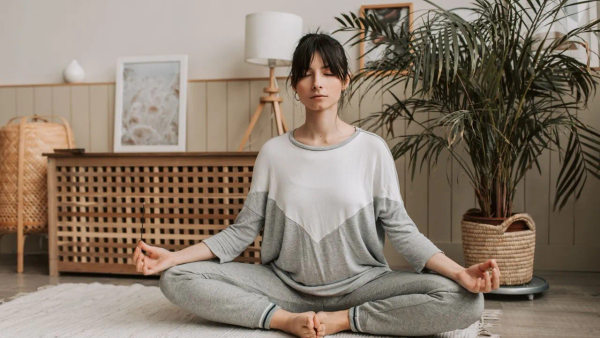
Walking meditation is a mindfulness practice done while moving slowly and deliberately, with full attention on the experience of walking itself. It is not about reaching a destination or clearing your head through exercise. It is about using the rhythmic, familiar sensation of movement as an anchor for present-moment attention — the same way a seated practice might use the breath.
For people who struggle with seated meditation — who find it difficult to sit still, or who feel that stillness amplifies rather than reduces restlessness — walking meditation is often more accessible. The movement gives the mind something immediate and physical to stay with.
That immediate, physical anchor has a name: kinesthetic awareness. Kinesthetic awareness is the sense of your body’s position, movement, and weight in space, and walking meditation cultivates it deliberately, grounding attention in the body rather than in abstract thought. This is particularly useful in the evening, when the mind is still processing the day but the body needs to begin winding down.
What the practice looks like
Walking meditation is simpler than it might sound. The essential instruction is: walk slowly, and pay attention to the experience of walking.
In a more structured practice, you might focus on:
- the feeling of each foot lifting, moving, and making contact with the ground
- the shifting of weight from one side of the body to the other
- the movement of the arms and the swing of each step
- the breath, which tends to fall into a natural rhythm with the pace
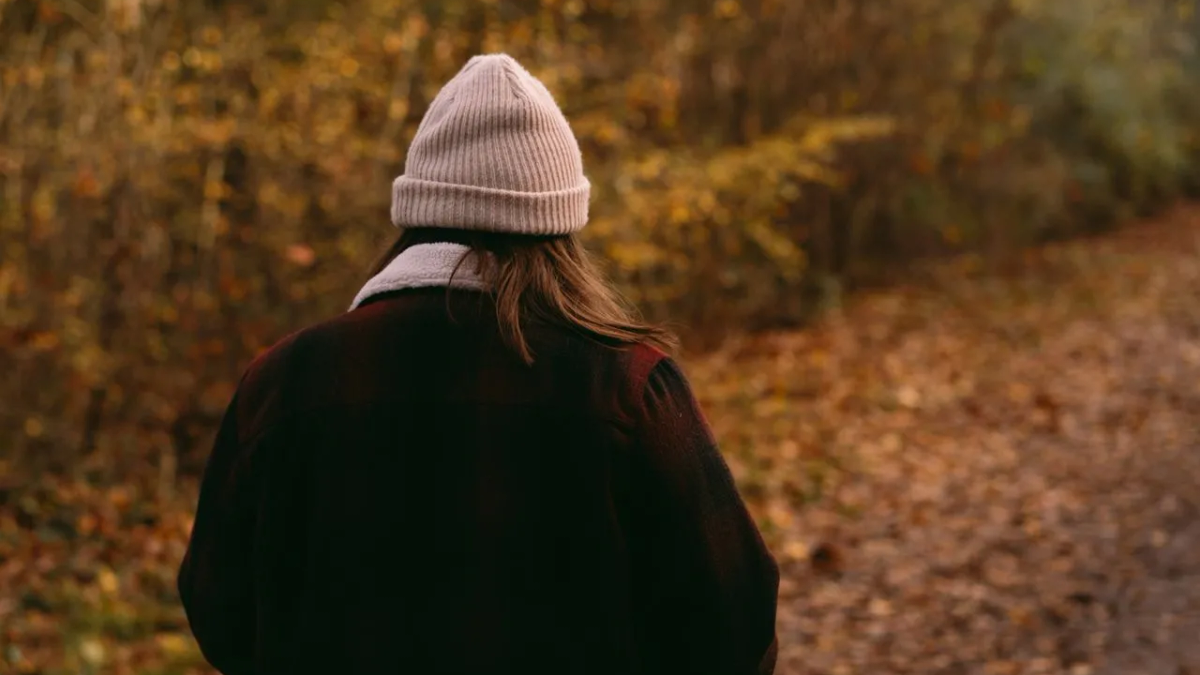
You do not need a special space. A room large enough to take ten or fifteen slow steps is sufficient. You walk to the end, pause, turn, and return. The length of the walk matters less than the quality of attention. If you are outside, a quiet path or garden is ideal, though any low-stimulation outdoor space works.
How walking pace affects mental stillness
That quality of attention is largely a matter of pace. Mindfulness is the practice of paying deliberate, non-judgmental attention to present-moment experience, and it is harder to sustain when movement runs on autopilot. At a normal walking pace, the mind continues doing what minds do — planning, remembering, narrating — while the legs handle themselves. Slowing down to roughly half your normal pace creates enough friction that the mind has to stay more actively engaged with what the body is doing.
If you find your mind wandering — which is normal and expected — simply notice it and return attention to the physical sensation of the next step. The return is the practice, not a failure of it.
When walking meditation is most useful
Walking meditation is particularly well suited to evenings when:
- you have spent most of the day sitting and feel physically restless
- you are anxious or tense in a way that makes lying still feel uncomfortable
- you want to move from “work mode” to “evening mode” without a sharp transition
- seated meditation has not been working well for you
An evening walk taken as a walking meditation — done slowly and attentively rather than purposefully or as exercise — combines the benefits of movement, outdoor light, and mindful attention. Time outside in the evening has its own circadian benefits; adding mindful attention to that walk costs nothing and often deepens its settling effect.
If you want a broader introduction to meditation before trying this, a beginner’s guide to calmer evenings covers the foundation.
Sources
- Mayo Clinic: Meditation — a simple, fast way to reduce stress
- Greater Good in Action: Walking Meditation
Frequently Asked Questions
What is walking meditation?
Walking meditation is a mindfulness practice in which you walk slowly and deliberately, keeping full attention on the physical experience of each step — the lifting, moving, and placing of the feet, the shifting of weight, and the rhythm of movement. The aim is to stay present with the body in motion rather than letting the mind wander freely.
Do you have to walk slowly in walking meditation?
Slowing down substantially from your normal walking pace helps considerably, because it prevents movement from becoming automatic. At a slower pace, the mind has to stay more engaged with what the body is actually doing. The pace does not need to be extreme — roughly half your usual speed is often enough.
Can you do walking meditation indoors?
Yes. A small indoor space is fine — a room large enough for ten to fifteen slow paces, walked back and forth, works well. Outdoors is often more pleasant and has additional benefits from fresh air and natural light, but it is not a requirement.
Is walking meditation good for anxiety?
Many people find it helpful, particularly because the combination of movement and mindful attention gives a restless mind something concrete to engage with. Sitting still with anxiety can feel like trying to hold something down. Movement alongside attention tends to feel more like channelling it.
How is walking meditation different from just going for a walk?
In a regular walk, attention is usually elsewhere — on thoughts, a podcast, the destination, or the surroundings. In walking meditation, attention is specifically directed at the experience of walking itself: the sensation of each step, the shifting of weight, the rhythm of movement. The distinction is one of intention and attention rather than pace or distance.
Enjoyed this? Get more like it.
Calm sleep guidance, straight to your inbox.
Sleep tips, straight to your inbox.
Calm, practical sleep guidance — we'll be in touch when we have something worth sharing.

Sheepherd is the editorial voice of The Sleepy Company. Sleep research and calmer habit guidance — written without hype, medical claims, or pressure.