Thinking About Float Therapy? A Gentle Beginner's Guide

By Sheepherd | Updated
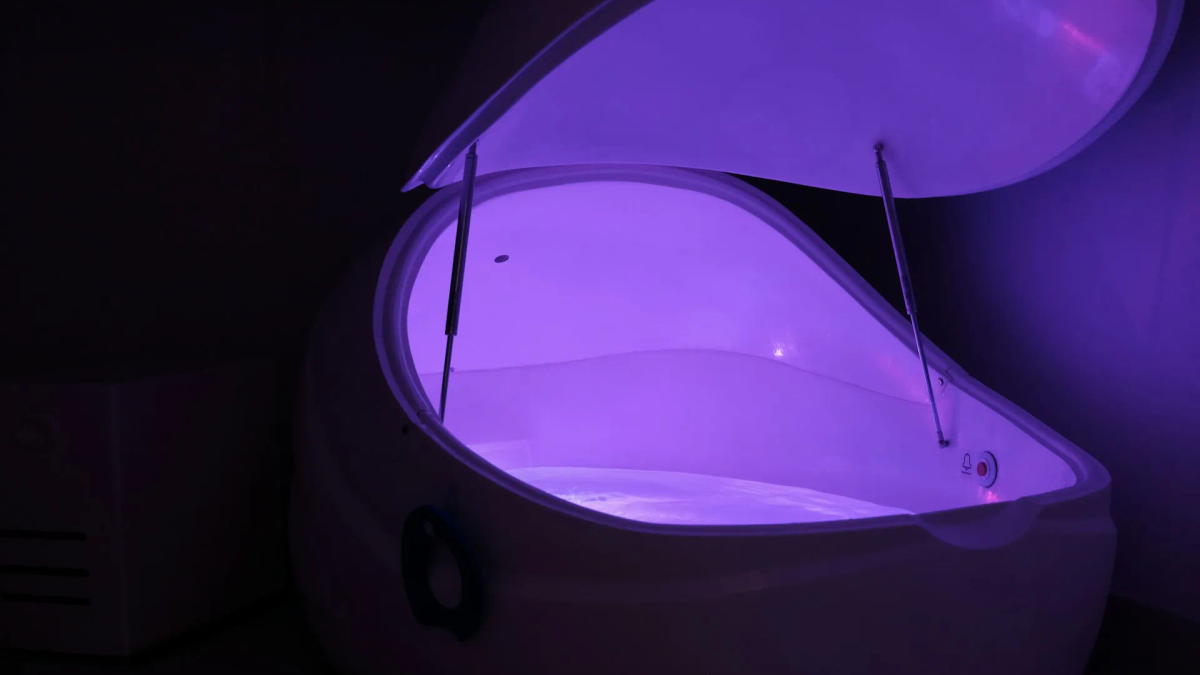
Float therapy is a form of sensory deprivation rest in which you lie in a warm, lightless, soundproof tank filled with salt water concentrated enough to support your body without effort. A float tank — also called a flotation pod or isolation tank — is the enclosed chamber used to create that environment. It removes most of the sensory inputs your brain normally has to process, which is why some people find it unusually restorative.
Sensory deprivation is the deliberate reduction of external stimulation — light, sound, touch, and movement — to give the nervous system a period of minimal input. Epsom salt is magnesium sulfate dissolved in water; in float tanks it is used at very high concentrations to make the water buoyant enough that a person floats with no effort.
Float therapy is one of those experiences that can sound either deeply appealing or slightly intimidating. The idea is simple: you spend time in a dark, quiet tank filled with warm salt water that lets your body float with very little effort. For some people, that kind of sensory reduction feels profoundly calming. For others, it sounds too unfamiliar or too enclosed to be relaxing at all.
Neither reaction is wrong.
What float therapy is meant to offer
At its best, floating gives you a rare kind of pause.
There is less light, less noise, less pressure on the body, and fewer cues pulling your attention outward. That combination can make it easier to notice your breath, your tension, and the difference between true rest and ordinary distraction.
People often try float therapy because they want:
- a quieter nervous system
- relief from mental overstimulation
- a different kind of meditation experience
- a reset after a stressful stretch
- a calmer transition back into sleep-friendly routines
It is not a cure-all, and the evidence around floating is much thinner than the evidence for basic sleep habits. Still, it can be a useful experiment if you are drawn to very low-stimulation forms of rest.
What the experience usually feels like
A typical float session happens in a tank or pod filled with warm water and a high concentration of Epsom salt.
Because the water is so buoyant, you float with very little effort. Sessions are usually quiet and dim, and many centers give you time to adjust before the full darkness or silence begins.
For some people, the strongest part of the experience is the sense of weightlessness. For others, it is the feeling of being unreachable for a while in a way that everyday life rarely allows.
Some people also notice how unusual it feels to be somewhere with so little to respond to. No notifications, no visual clutter, no household tasks in the corner of your eye. That absence can feel surprisingly restorative when daily life is usually full of input.
It helps to go in with the right expectations
Float therapy does not have to be mystical to be worthwhile.
You may leave feeling calmer, clearer, or physically looser. You may also simply feel like you spent an hour in deep quiet. That is enough.
It is often most helpful to think of floating as an optional rest practice rather than as something you need to “perform correctly.”
If you go in expecting an instant transformation, you may miss the more ordinary potential benefit: a nervous system that felt a little less crowded for a while.
A few things that make the first visit easier
If you are curious about trying it, it helps to keep the first session simple.
Try to:
- choose a day when you are not rushing
- avoid treating it like a test you have to pass
- ask the center any practical questions beforehand
- give yourself a little quiet time afterward if you can
Some people take to it immediately. Others need a session or two before the unfamiliar parts stop getting in the way.
It can also help not to schedule something intense immediately after. If the experience does help you settle, a packed or noisy return to the day can erase part of the benefit.
Why people sometimes find it helpful for sleep support
Float therapy does not directly replace good sleep habits, but it may support some of the same goals.
For example, it may help reduce:
- muscular bracing
- overstimulation
- mental clutter
- the sense that you must keep responding to the world
That can make it easier for some people to return to their normal evenings with a calmer baseline. In that sense, the value is less “this makes you sleep” and more “this may help you arrive at rest in a softer state.”
It is not the right fit for everyone
Floating can feel too enclosed for some people, especially if claustrophobia is already a concern. Cost can also be a real barrier, and not everyone enjoys being alone with their thoughts in that kind of quiet.
That is fine.
There are gentler and cheaper ways to create a similar evening-softening effect, like:
- a warm bath
- a slower breathing practice
- quiet reading
- a no-phone hour
- a dimly lit room with fewer interruptions
If you want something simple to try first, a quieter evening reset may be a more accessible place to begin.
The goal is not novelty for its own sake
Float therapy is most useful when it helps you feel less stimulated, less physically braced, or more connected to stillness than you usually do.
That does not have to turn into a weekly ritual to matter. Even one session can tell you something about what kind of rest your mind and body respond to best.
That is part of the value too. Sometimes an experience helps you realize that what you were craving was not the tank itself, but more protected quiet in general.
You do not need float therapy to rest well
This matters.
If floating appeals to you, it can be an interesting tool. But it is not a requirement for better sleep or a calmer evening. It is simply one possible way of creating more quiet than modern life usually offers by default.
And if you discover that what you really want is not a float tank but just more stillness, protected quiet time may be the more important lesson to keep. For a gentler starting point that does not require a tank or a special setting, our complete guide to meditation for sleep is a good place to begin.
Sources
- NCCIH: Stress, Anxiety, and Sleep Problems: Considering Complementary Approaches
- NCCIH: Mind and Body Approaches for Stress and Anxiety: What the Science Says
Frequently Asked Questions
What happens during a float therapy session?
You lie face-up in a tank or pod filled with warm water and a high concentration of Epsom salt. The water is buoyant enough that you float with no effort. The environment is typically dark and quiet, and sessions usually last between sixty and ninety minutes. Many centers allow you to control the light and sound level, especially during your first visit.
Is float therapy good for sleep?
Float therapy is not a direct sleep treatment, but some people find it helps them arrive at the evening in a calmer, less overstimulated state. The reduction in sensory input may ease muscular tension and mental clutter in a way that supports a more relaxed baseline — which can make it easier to settle when bedtime arrives.
Is float therapy safe for people with claustrophobia?
Many float centers use pods or tanks with doors you can leave open, and rooms with enough space that you do not feel enclosed. It is worth asking about the setup before you book. If enclosed spaces are a strong concern, trying a smaller form of sensory reduction first — like a quiet bath or a no-phone hour — may tell you something useful about what your nervous system responds to.
How much does float therapy cost?
A single session typically costs between forty and one hundred pounds or dollars, depending on the location and facility. Some centers offer introductory rates or packages. Cost can be a real barrier, and it is worth knowing that many of the calming benefits — reduced stimulation, physical stillness, quiet — can be approximated more cheaply at home.
How do you prepare for your first float session?
Avoid caffeine for a few hours beforehand, and try not to schedule it on an unusually rushed or stressful day. Eat lightly beforehand so you are comfortable but not hungry. Most centers provide earplugs and shower facilities, and the staff will walk you through the process before you begin. Going in with low expectations tends to produce a better first experience than going in hoping for a dramatic transformation.
Enjoyed this? Get more like it.
Calm sleep guidance, straight to your inbox.
Sleep tips, straight to your inbox.
Calm, practical sleep guidance — we'll be in touch when we have something worth sharing.
Sheepherd is the editorial voice of The Sleepy Company. Sleep research and calmer habit guidance — written without hype, medical claims, or pressure.