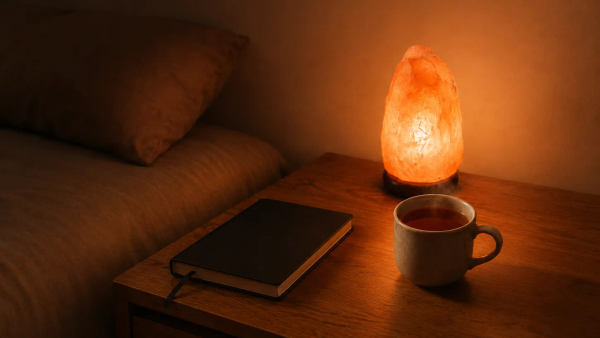
Evening wellness is how you care for your body and mind in the hours between finishing your day and falling asleep. The choices you make during that window — what you eat, how you move, what you do with your attention — quietly shape your sleep quality, your emotional balance, and your long-term physical health. You do not need a rigid schedule. Small, consistent habits are enough.
The short version — The evening is your body’s natural transition from activity to rest. Simple habits like winding down with music, spending time outside earlier in the day, and creating a little quiet before bed can make a noticeable difference to how you feel — both at night and the next morning. This guide covers ten areas worth paying attention to, with a deeper post on each one if you want to explore further.
How Aromatherapy Can Help You Wind Down in the Evening
Aromatherapy is the practice of using plant-derived scents to support mood and relaxation. Certain essential oils — particularly lavender, chamomile, and cedarwood — are associated with calming effects on the nervous system, which makes them a natural fit for an evening wellness practice.
You do not need a complicated setup. A diffuser with a few drops of lavender oil running in the background, or a linen spray on your pillow, is enough to shift the atmosphere of a room. Scent works partly through association: over time, a familiar evening scent can become a quiet signal to your brain that the day is winding down.
Research into aromatherapy and relaxation is still developing, but many people find that a consistent scent — used as part of their evening — helps them feel more settled before bed. Start with one or two oils and see what resonates with you. The goal is a sensory cue that feels calming, not a complicated ritual.
Read more about how aromatherapy may support a calmer, more restful evening.
How Music Sets the Right Mood for a Healthier Evening
Music is one of the most accessible tools for shifting your mood in the evening. The right kind of sound — slow tempo, low energy, familiar — can help lower your heart rate and ease the mental noise that follows a busy day. The wrong kind — fast, loud, emotionally charged — can keep your nervous system running at a higher pitch than you want.
Evening self-care does not have to be silent, but it does benefit from being intentional about sound. Many people find that putting on a quiet playlist while they cook, tidy, or simply sit still creates a gentle boundary between daytime activity and evening rest.
The relationship between music and relaxation is well-documented. Tempo matters most: music around 60–80 beats per minute tends to synchronise with your resting heart rate, which is why slower pieces feel naturally soothing. This is not something you need to measure — most people intuitively reach for slower music when they want to unwind.
Read more about how music may help set the right tone for your evening.
Why Time Outside Supports Your Evening Mood and Sleep Rhythm
Your circadian rhythm is the internal biological clock that tells your body when to be alert and when to rest. Natural light — especially in the morning and early afternoon — is one of its most important signals. But what you do later in the day matters too.
Spending time outside in the afternoon or early evening, even for fifteen or twenty minutes, helps reinforce your body’s light-dark cycle. The contrast between outdoor light and the dimmer indoor environment you return to gives your brain a clearer signal that evening is approaching. This supports the natural rise in melatonin that makes you feel sleepy at an appropriate time.
Time in nature — even a short walk around the block — also supports mood. The combination of gentle movement, fresh air, and natural sensory input tends to quieten the mental chatter that makes evenings feel heavy. It is one of the simplest evening habits for health, and it costs nothing.
Read more about how time outside can support a calmer mood and better rhythm.
Managing Your Emotions in the Evening Before They Manage You
Emotions tend to surface in the evening. The day’s demands have eased, the distractions are fewer, and the things you pushed aside start to feel louder. This is normal. It is also why evenings can feel harder than they need to if you do not have a way of working through what you are carrying.
Emotional regulation is the ability to notice, understand, and respond to your feelings without being overwhelmed by them. It is not about suppressing difficult emotions — it is about having enough space and skill to process them without spiralling.
A few practical habits help: writing a few lines in a journal before bed, naming what you are feeling without judgment, or simply pausing to check in with yourself before you reach for your phone. None of this needs to take more than five minutes. The goal is to give your emotions a small, safe outlet rather than letting them accumulate silently and disrupt your sleep.
Read more about how to steady your emotions during stressful times.
The Case for Quiet Time in Your Evening
Quiet time is the deliberate practice of reducing stimulation for a period in the evening — no screens, no music, no conversations — to allow your nervous system to settle. It sounds simple. In practice, many people find it surprisingly difficult.
Modern evenings are full of competing demands on your attention. Notifications, streaming, social media, messages that feel urgent — all of these keep your brain in a state of low-level alertness that is difficult to switch off when you get into bed. Quiet time creates a gap between that activity and sleep.
You do not need an hour. Even ten or fifteen minutes of genuine quiet — sitting with a cup of tea, looking out a window, or doing something with your hands — can help lower the mental noise. Over time, the evening becomes less something that happens to you and more something you actively shape.
Read more about the importance of quiet time and how to make room for it.
How to Build Evening Habits for Health That Actually Last
Most people have tried to change their evenings at some point — and found the new habits faded after a week or two. This is not a willpower problem. It is usually a design problem.
Sustainable evening habits tend to be small, specific, and attached to something you already do. Habit stacking — linking a new behaviour to an existing one — is one of the most practical frameworks for making changes that stick. Rather than trying to overhaul your entire evening at once, you add one small thing at a time.
How to have a healthier evening is less about following a template and more about understanding what your evenings are currently like, identifying one thing that is not serving you, and replacing it with something that does. Consistency matters more than intensity: a calm, modest evening routine practised four or five nights a week will do more good than an elaborate one you manage once.
Read more about how to build healthier evening habits that actually last.
What Magnesium and Evening Nutrition Do for Your Sleep
What you eat and drink in the evening has a measurable effect on how well you sleep. Magnesium is a mineral that plays a key role in muscle relaxation and nervous system regulation — and many adults do not get enough of it. Foods naturally rich in magnesium include dark leafy greens, nuts, seeds, and whole grains.
A heavy or late meal can push your body into active digestion during the first part of the night, which can disrupt the deeper stages of sleep. On the other hand, going to bed genuinely hungry is also counterproductive. A light, balanced evening meal — eaten at least two to three hours before bed — tends to support better sleep than either extreme.
Alcohol is worth mentioning here. It may feel like it helps you relax, but it fragments sleep architecture across the night, reducing the amount of deep and REM sleep you get. If you are trying to improve your evening wellness, it is one of the clearest things to look at.
Read more about what magnesium does for sleep and how to get enough.
How a Kinder Mindset Changes the Way Your Evening Feels
The way you think about yourself in the evening — especially after a difficult day — matters more than most people realise. A harsh internal voice that replays mistakes or catalogues everything you did not get done can keep your nervous system active long after the day is over.
Self-compassion is the practice of treating yourself with the same kindness you would offer a good friend. It does not mean lowering your standards or avoiding accountability — it means meeting difficulty without adding unnecessary self-criticism on top of it.
In practical terms, this might look like noticing when you are being hard on yourself and gently reframing: not “I wasted the whole evening” but “I needed rest and I took it.” Small shifts in self-talk do not feel dramatic, but they change the emotional quality of your evenings over time. A calmer mindset makes the transition to sleep feel more natural.
Read more about how a kinder mindset may make evenings feel less heavy.
A Gentle Way to Reset After a Stressful or Overwhelming Day
Some evenings arrive carrying more weight than others. A difficult day at work, a hard conversation, or just the accumulated pressure of a busy week can leave you feeling wired, flat, or somewhere in between — and none of those states make for easy wind-down.
A stress reset is a short, intentional practice designed to help your nervous system shift from activation to calm. This might be a few minutes of slow breathing, a brief body scan, a short walk, or simply sitting somewhere quiet with no agenda. The form matters less than the intention behind it.
What does not help is pushing through the evening as if the stress is not there, or numbing it with extended screen time. Both keep the stress present — just in a different form. A gentle reset gives you a way to acknowledge what you are carrying and put it down before bed.
Read more about a gentler evening reset for stressful or overwhelming days.
Managing Your Energy Levels in the Evening Without Caffeine
Late-day energy dips are common — the kind that arrive at four or five in the afternoon and make you reach for another coffee. But caffeine in the late afternoon can take six or more hours to fully clear your system, which means it is still active when you are trying to fall asleep.
Your energy levels in the evening are shaped by several factors: how much natural light you got during the day, whether you moved your body, how you ate, and how much accumulated stress you are carrying. Addressing any one of these tends to have a positive effect on the others.
A short walk, a brief change of scene, or a few minutes of gentle movement are often enough to lift a mid-afternoon or early-evening slump without adding caffeine. Staying well-hydrated across the day is another underrated factor — mild dehydration is a quiet but common cause of afternoon fatigue.
Read more about 3 simple ways to boost your energy levels without caffeine.
Frequently Asked Questions
What is evening wellness?
Evening wellness is the practice of making intentional choices in the hours before bed to support your physical health, emotional balance, and sleep quality. It covers habits like managing light and sound, eating well, processing emotions, and giving yourself some quiet time to wind down.
How long should an evening wind-down routine take?
Even twenty to thirty minutes of intentional wind-down time can make a real difference. You do not need a long or structured routine — the key is consistency rather than duration. A few calming habits practised most evenings will serve you better than an elaborate routine you manage once a week.
Do I need to do all of these things every evening?
No. Evening wellness is not a checklist — it is a set of areas worth paying attention to. Most people find two or three changes that fit naturally into their existing evenings and build from there. Start small, notice what helps, and let it grow at your own pace.
Can evening habits really affect my health over time?
Yes. The quality of your sleep has a direct effect on immune function, mood, memory, cardiovascular health, and how well your body manages stress. The evening habits that support good sleep also tend to support your health more broadly — they are the same handful of things repeated over time, not grand interventions.
Your evenings do not need to be perfect. They just need to be a little more yours. A better night often begins before you get into bed — and most of the changes that make the biggest difference are gentler than you might expect. If you are not sure where to start, pick one section above that resonates with you and follow the link. One small shift is enough to begin.
Enjoyed this? Get more like it.
Calm sleep guidance, straight to your inbox.
In this guide
All articles in this series
- What Magnesium Does for Sleep and How to Get Enough5 min
- How to Build Healthier Evening Habits That Actually Last9 min
- The Importance of Quiet Time and How to Make Room for It8 min
- A Kinder Mindset May Make Evenings Feel Less Heavy7 min
- How Time Outside Can Support a Calmer Mood and Better Rhythm6 min
- How Music May Help Set the Right Tone for Your Evening7 min
- A Gentler Evening Reset for Stressful or Overwhelming Days8 min
- How Aromatherapy May Support a Calmer, More Restful Evening6 min
- How to Steady Your Emotions During Stressful Times8 min
- 3 Simple Ways to Boost Your Energy Levels (Caffeine-Free)4 min
Sleep tips, straight to your inbox.
Calm, practical sleep guidance — we'll be in touch when we have something worth sharing.

Sheepherd is the editorial voice of The Sleepy Company. Sleep research and calmer habit guidance — written without hype, medical claims, or pressure.