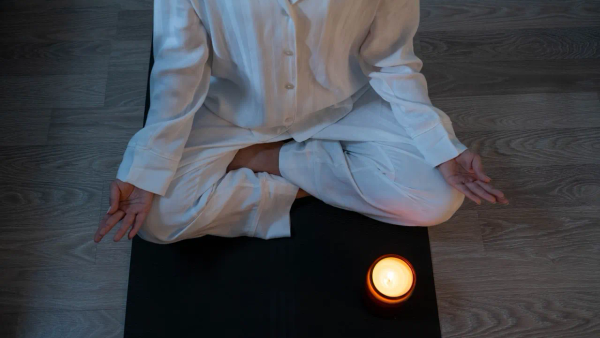
A body scan is a mindfulness practice in which you direct your attention slowly and deliberately through different parts of your body, noticing what is there without trying to change it. It is one of the oldest and most widely studied mindfulness techniques, and among the most practical for the evening.
The practice does not require special equipment, prior experience with meditation, or a significant time commitment. Ten to twenty minutes is enough for a meaningful session. It can be done lying in bed, on a mat on the floor, or seated in a comfortable chair — whichever feels most natural.
The aim is not to force relaxation, which is easier said than done. It is to notice what is actually present in the body: tension, warmth, tingling, heaviness, or simply neutral sensation. This gentle act of noticing is often enough to begin releasing the physical tightness that accumulates through the day and to quiet the mental activity that tends to follow you into the evening.
Why body scan meditation helps you wind down
Mindfulness is the practice of bringing deliberate, non-judgmental attention to present-moment experience. A body scan applies that quality of attention to physical sensation specifically, which provides a grounding anchor for evenings when the mind is busy with thoughts about what happened or what is coming next.
Directing attention toward sensation — even mild or neutral sensation — shifts the mind away from abstract thought and narrative. Instead of replaying the day or planning tomorrow, attention is occupied with something immediate and simple. This tends to feel more settled.
Somatic awareness is the capacity to notice physical sensations in the body. Most people carry more tension than they realise — in the shoulders, jaw, hands, or stomach — particularly after demanding days. A body scan brings that tension into conscious awareness, which is often the first step toward releasing it.
How to do a basic body scan
You do not need to follow a script. The general approach is straightforward:
- Find a comfortable position and close or lower your eyes
- Take a few slow breaths to settle the initial rush of thoughts
- Bring your attention to the soles of your feet and simply notice whatever sensation is present
- Move your attention slowly upward: ankles, calves, knees, thighs — spending a few moments in each area
- Continue through the hips, lower back, abdomen, chest, shoulders, arms, and hands
- Then the neck, face, and top of the head
- If your mind wanders (and it will), gently bring it back to wherever you were in the body, without frustration
There is no failure in this practice. Noticing that your mind has wandered is itself a moment of mindfulness. The instruction is simply to return.
When a body scan is most useful
A body scan tends to work particularly well when:
- you feel physically tight or tense after a long or demanding day
- you have been sitting at a desk or in back-to-back conversations without moving much
- your mind is active but you cannot identify a specific worry — it is just busy
- you want a practice with a concrete focus rather than open-ended observation
It can also be combined naturally with other wind-down activities. Some people do a short scan after a bath or after putting their phone away, using it as a transition between the end of the evening and getting into bed.
If you are new to meditation, a beginner’s guide to calmer evenings covers the foundations first and makes a good starting point. And if breathing exercises appeal to you, those work naturally alongside a body scan — you can begin and end each section of the scan with a slow breath.
Sources
- Mayo Clinic: Meditation — a simple, fast way to reduce stress
- Mindful.org: A Body Scan Meditation to Check In With Your Body
Frequently Asked Questions
What is a body scan meditation?
A body scan is a mindfulness practice where you move your attention slowly through different parts of your body, noticing sensation without trying to change it. It is usually done lying down and takes ten to twenty minutes. The aim is to become aware of physical sensation, which tends to reduce held tension and quiet the mind.
Do you need meditation experience to do a body scan?
No. A body scan is one of the more accessible meditation practices because it gives the mind a concrete task — moving attention through the body — rather than simply asking it to be still. Beginners often find it easier to stay with than breath-focused practices alone.
Can you do a body scan in bed?
Yes, and for many people this is the most natural place to do it. Starting in bed means you may fall asleep before finishing, which is not a problem at all. If you consistently fall asleep mid-practice and want to build the habit more deliberately, doing it outside of bed first can help.
What if you fall asleep during a body scan?
This is a common and completely fine outcome in the evening. Falling asleep during a body scan simply means the practice helped you relax enough to drift off. Over time, regular practice tends to make that relaxed state easier to reach, which supports sleep more broadly.
How is a body scan different from progressive muscle relaxation?
Progressive muscle relaxation involves deliberately tensing and releasing muscle groups. A body scan involves noticing sensation without deliberate physical action — it is more observational. Both are helpful for physical tension, but the body scan has a quieter quality that many people find gentler as a bedtime practice.
Enjoyed this? Get more like it.
Calm sleep guidance, straight to your inbox.
Sleep tips, straight to your inbox.
Calm, practical sleep guidance — we'll be in touch when we have something worth sharing.

Sheepherd is the editorial voice of The Sleepy Company. Sleep research and calmer habit guidance — written without hype, medical claims, or pressure.